Our History

Our History

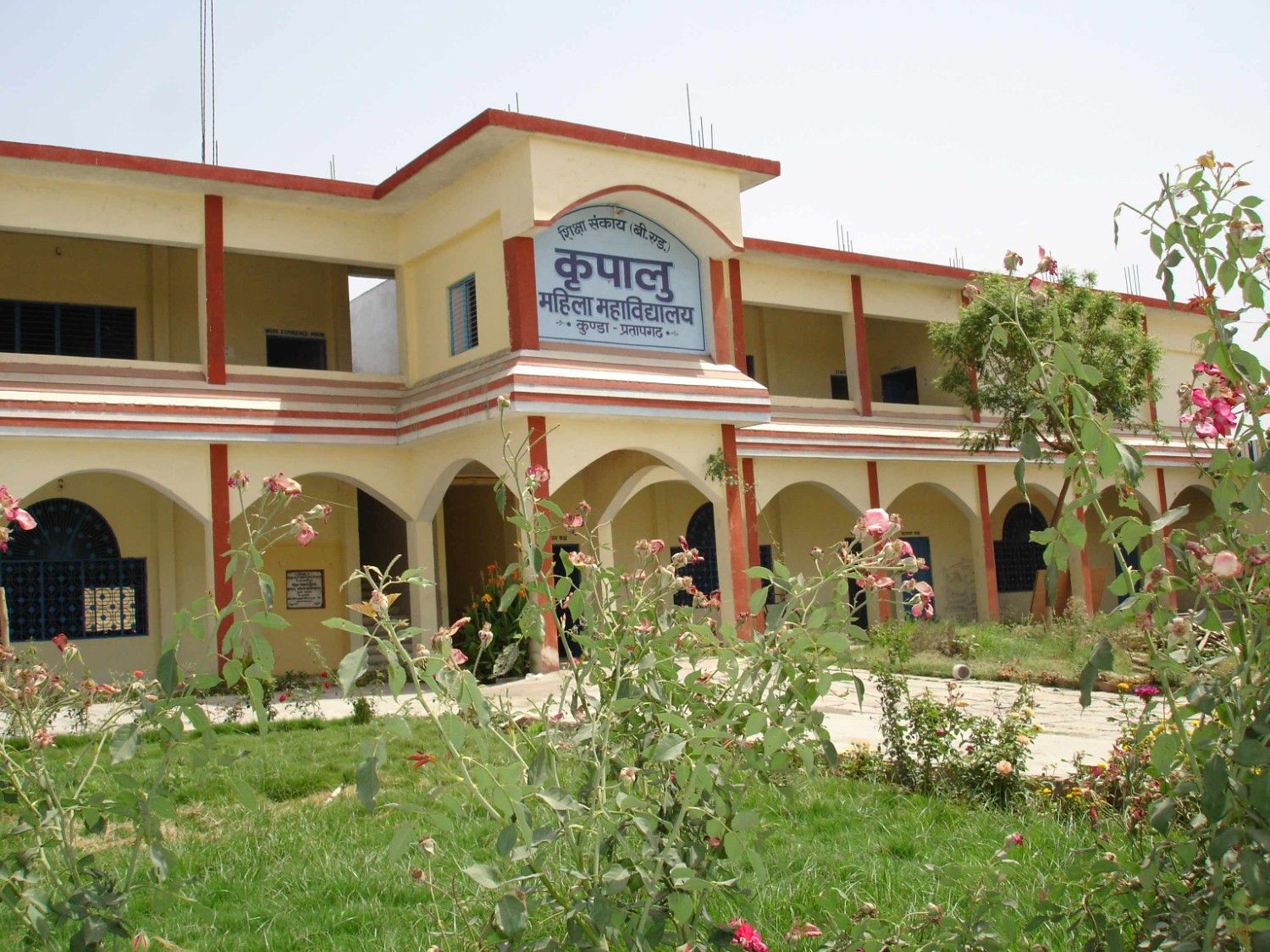
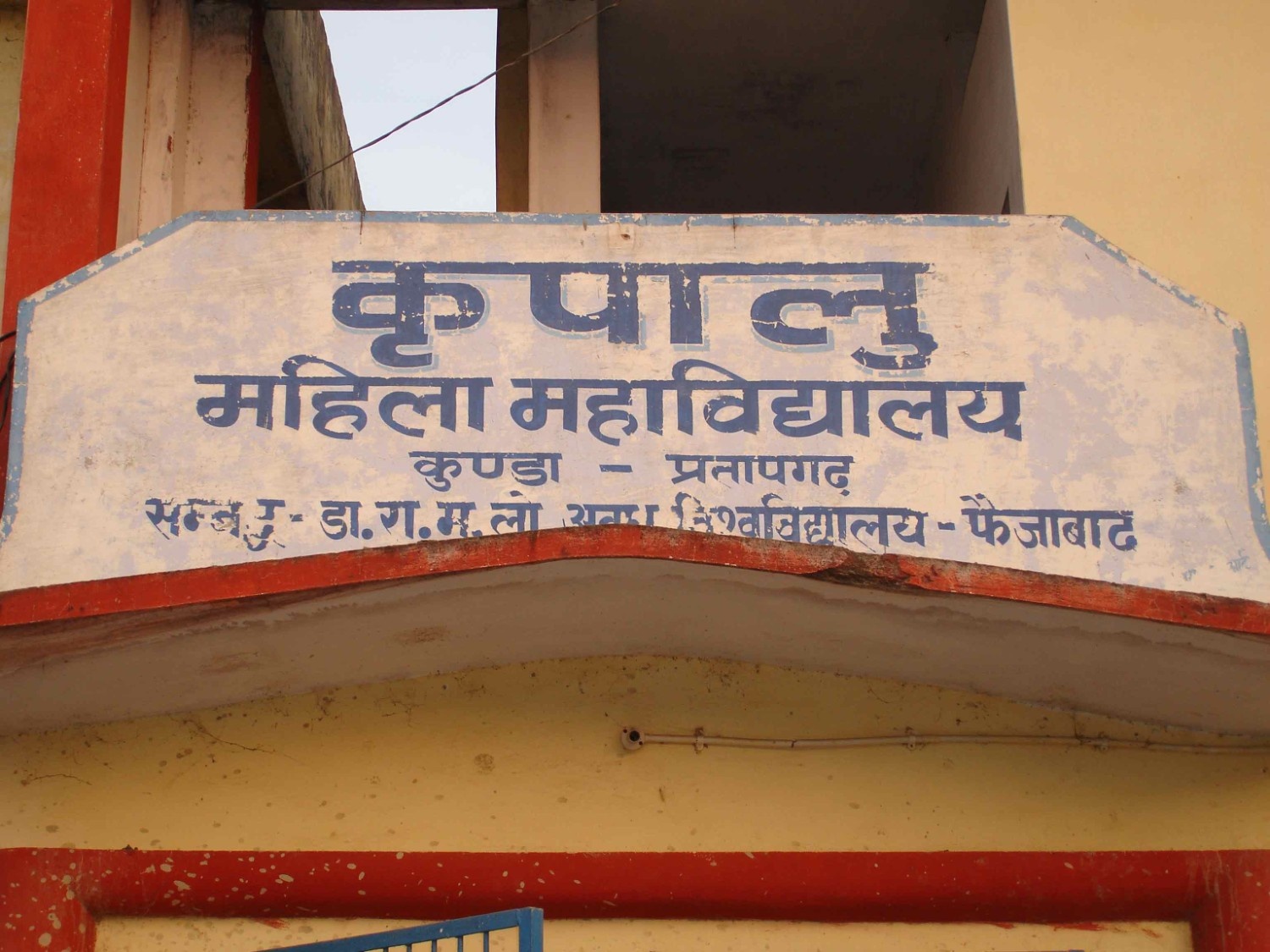
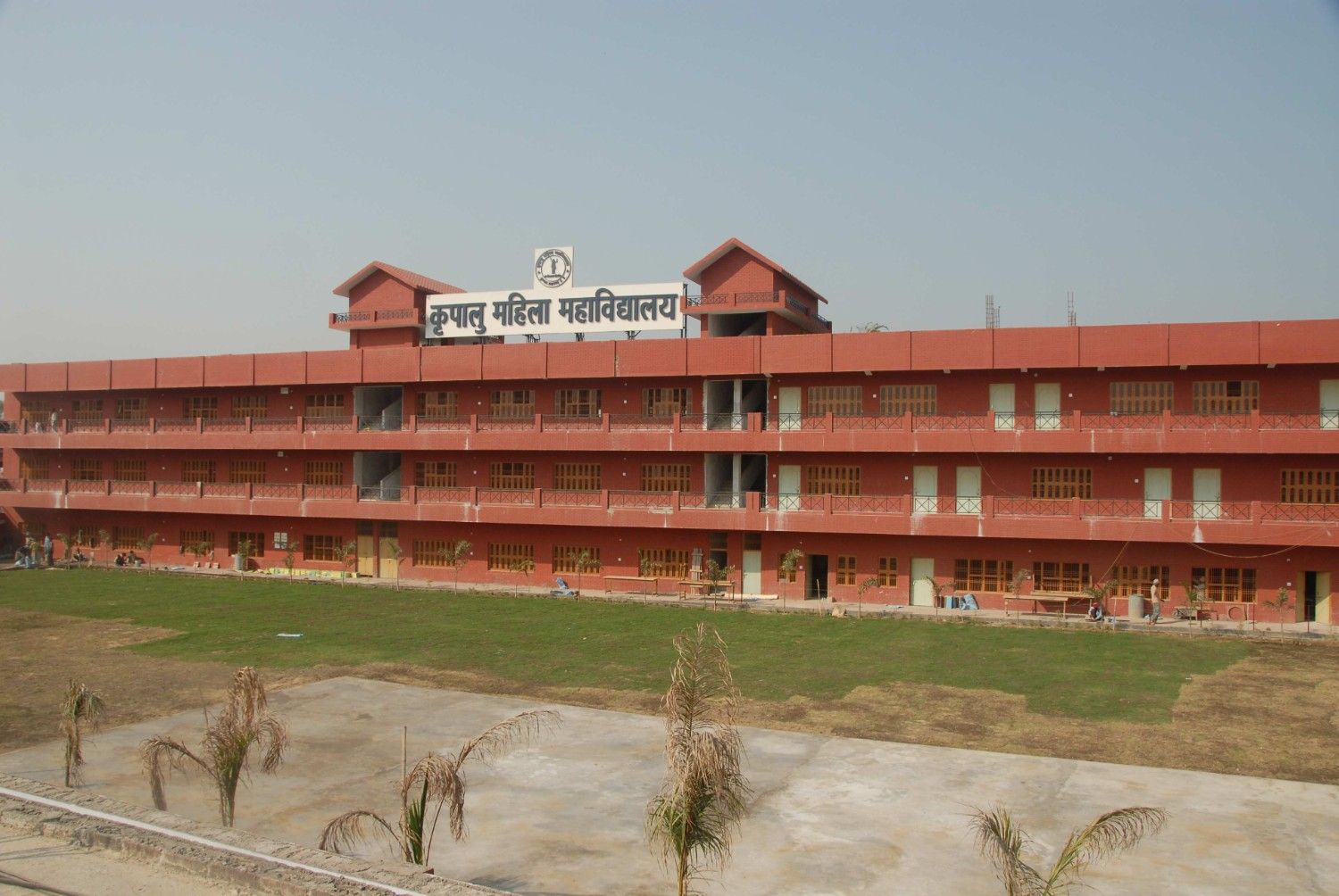
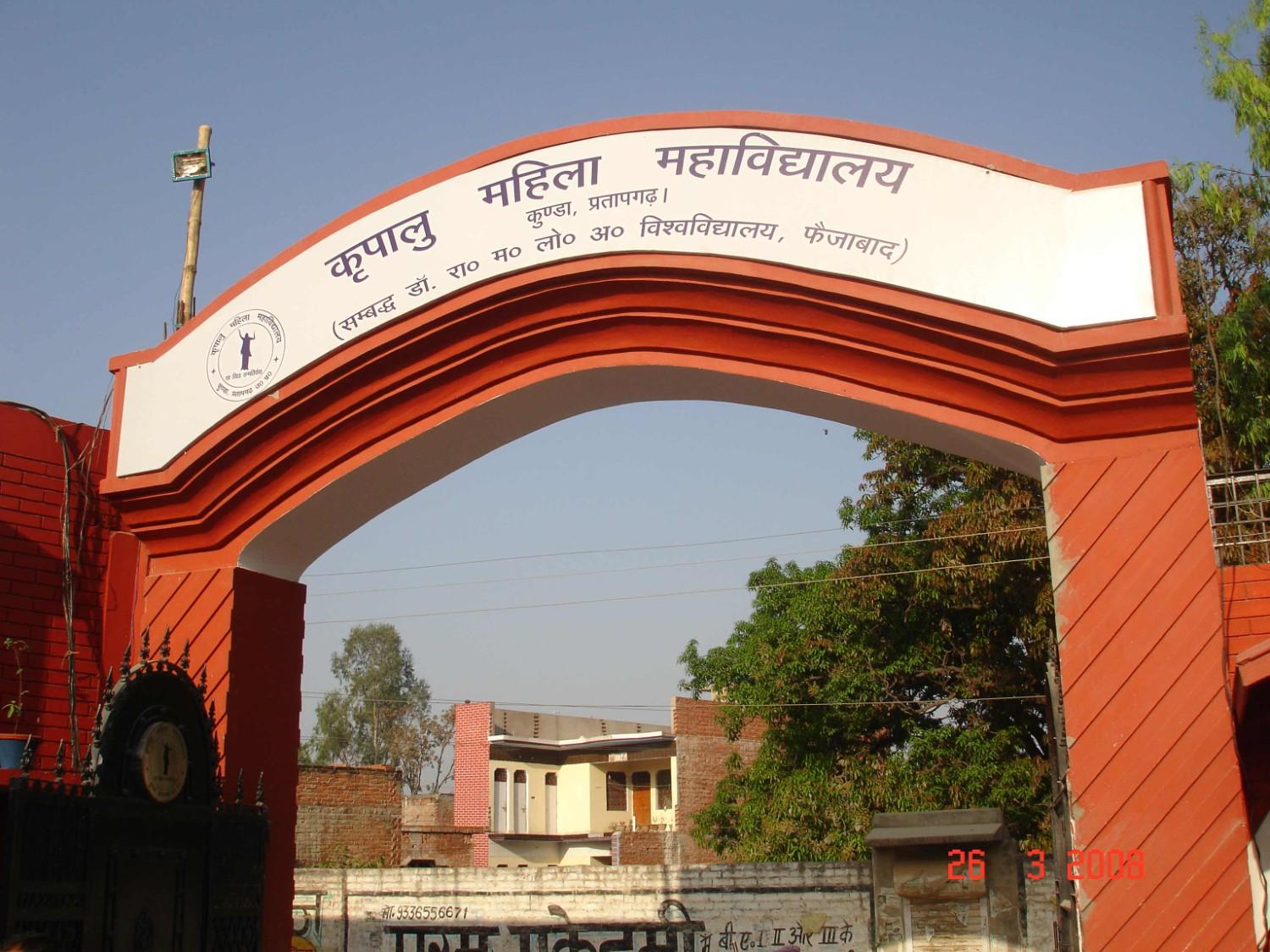
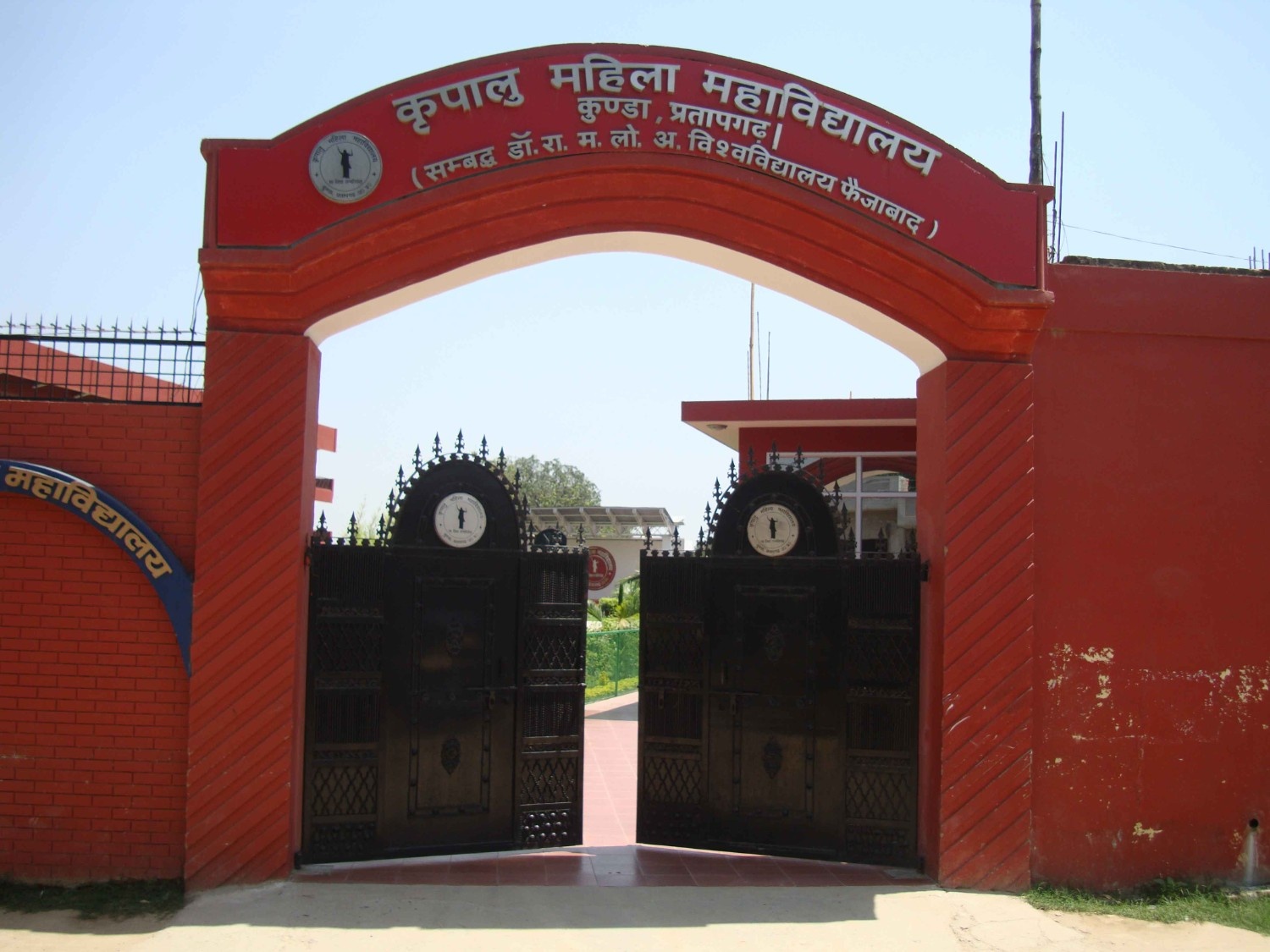
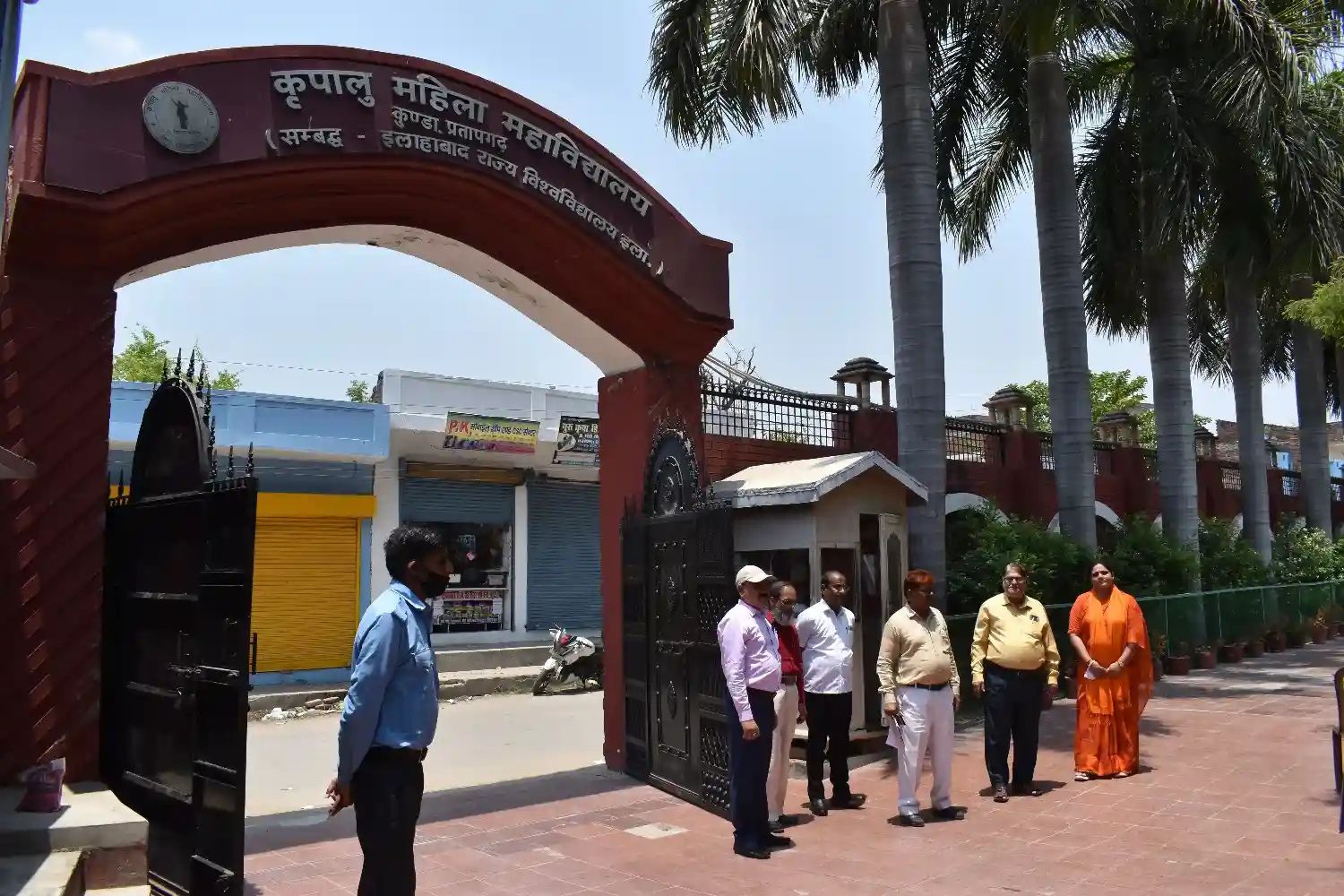
Kripalu Mahila Mahavidyalaya (KMM) was founded in 1998 as a self-financed, all-girls, Higher Education Institution. KMM started with a Bachelor of Arts (B.A.) course in 1998 and added a Bachelor of Education (B.Ed.) course in 2005. In the year 2008, two more Programmes were added – Bachelor of Science (B.Sc.) and Master of Arts (M.A.).

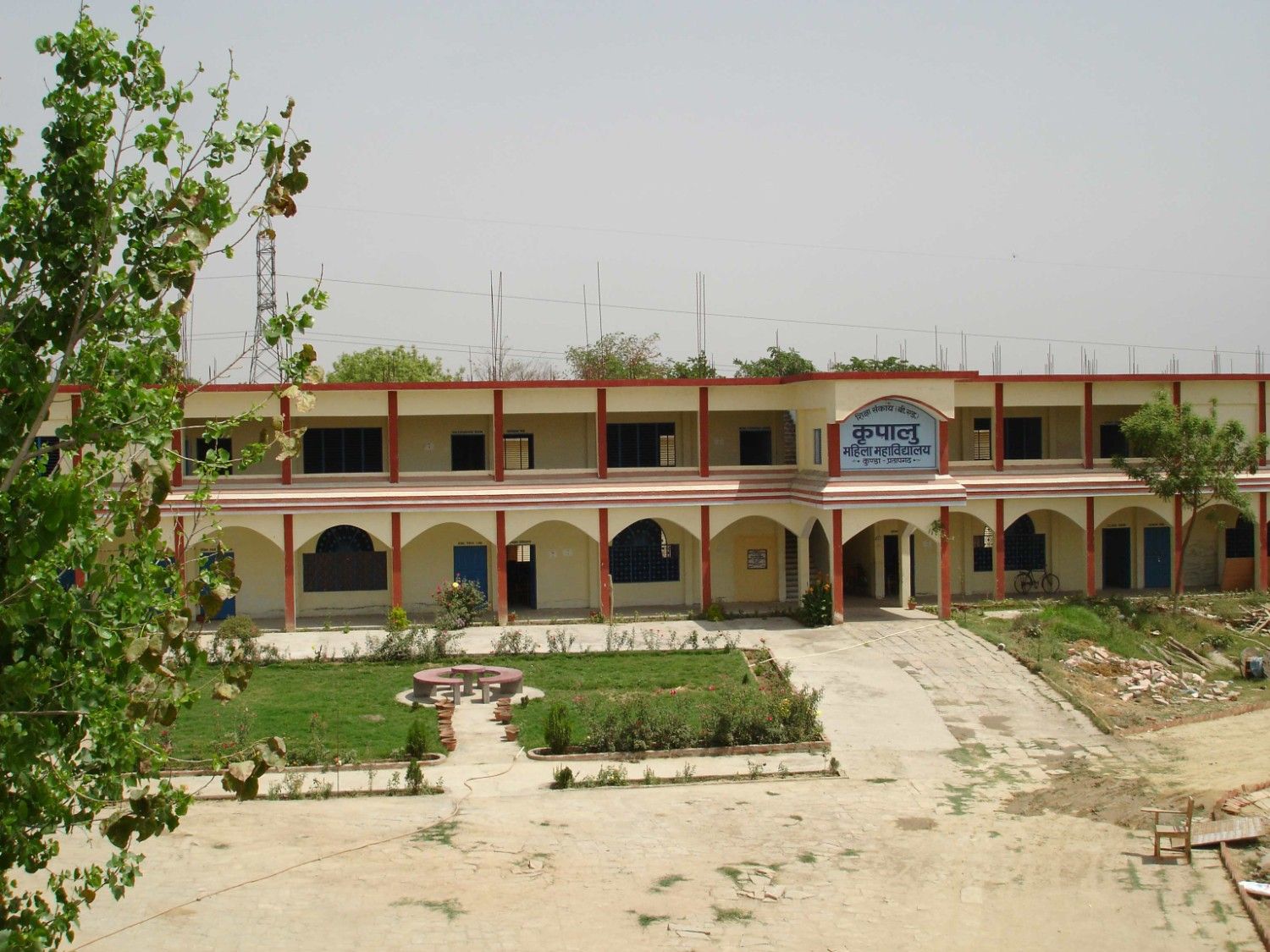
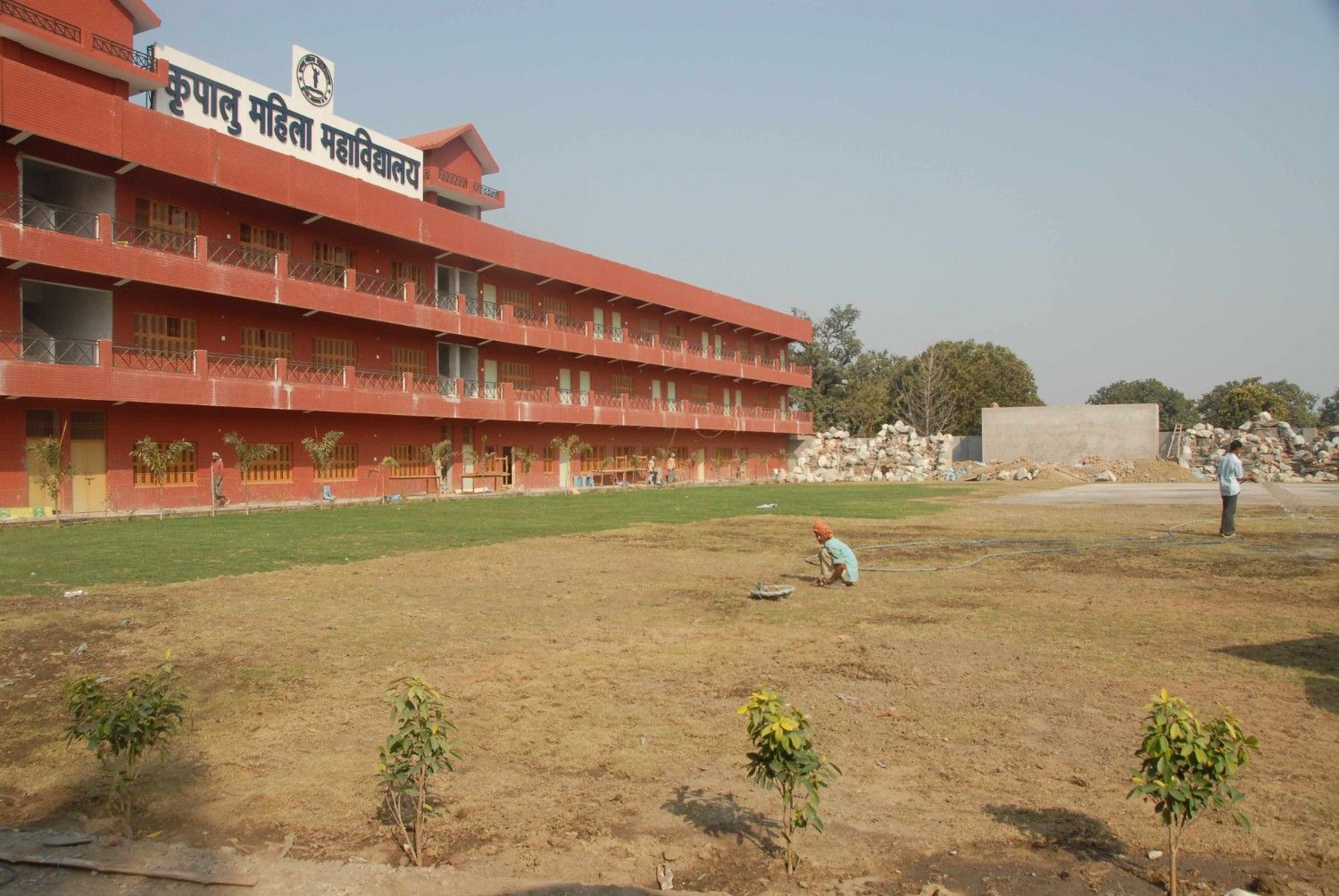
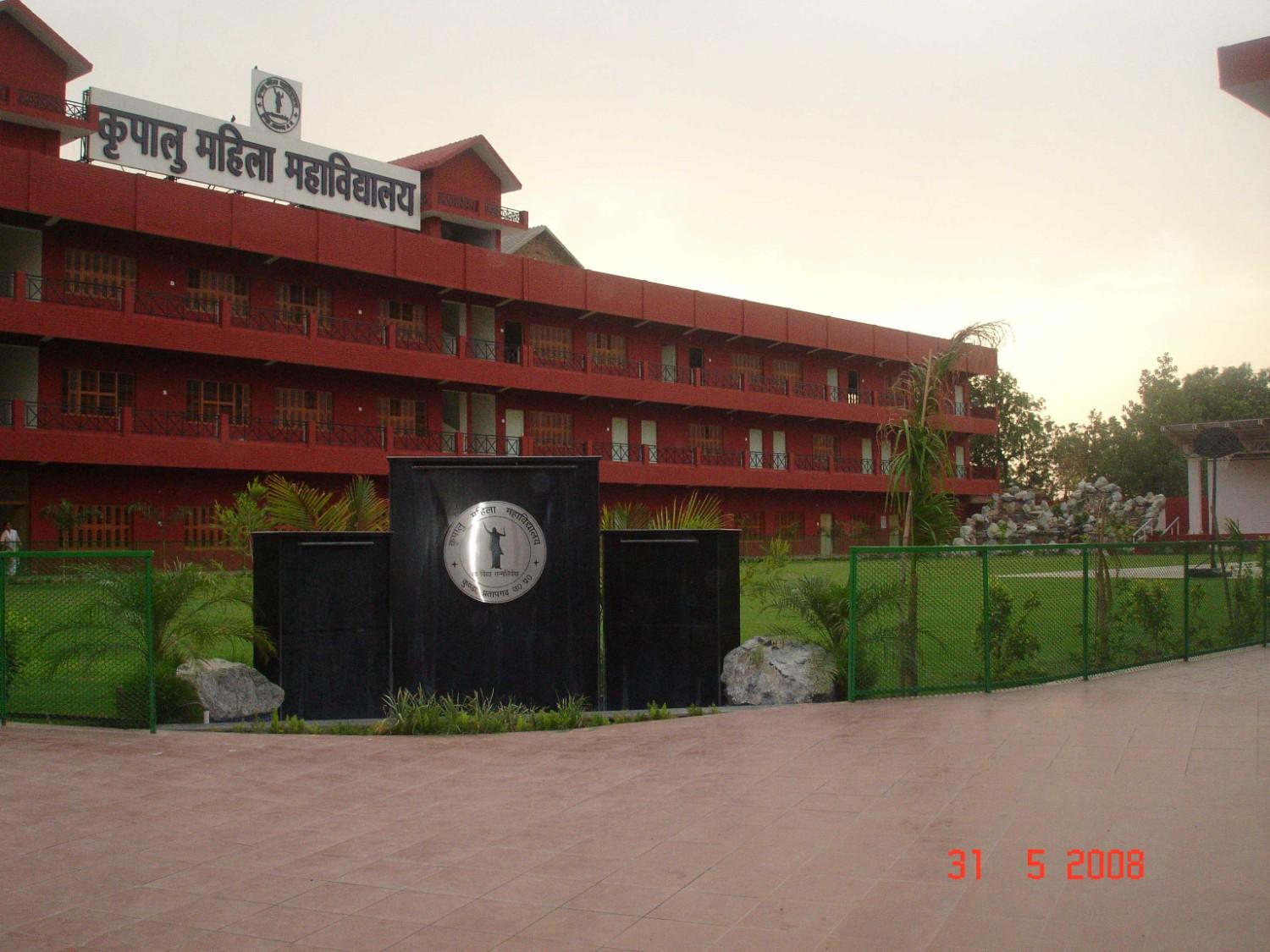
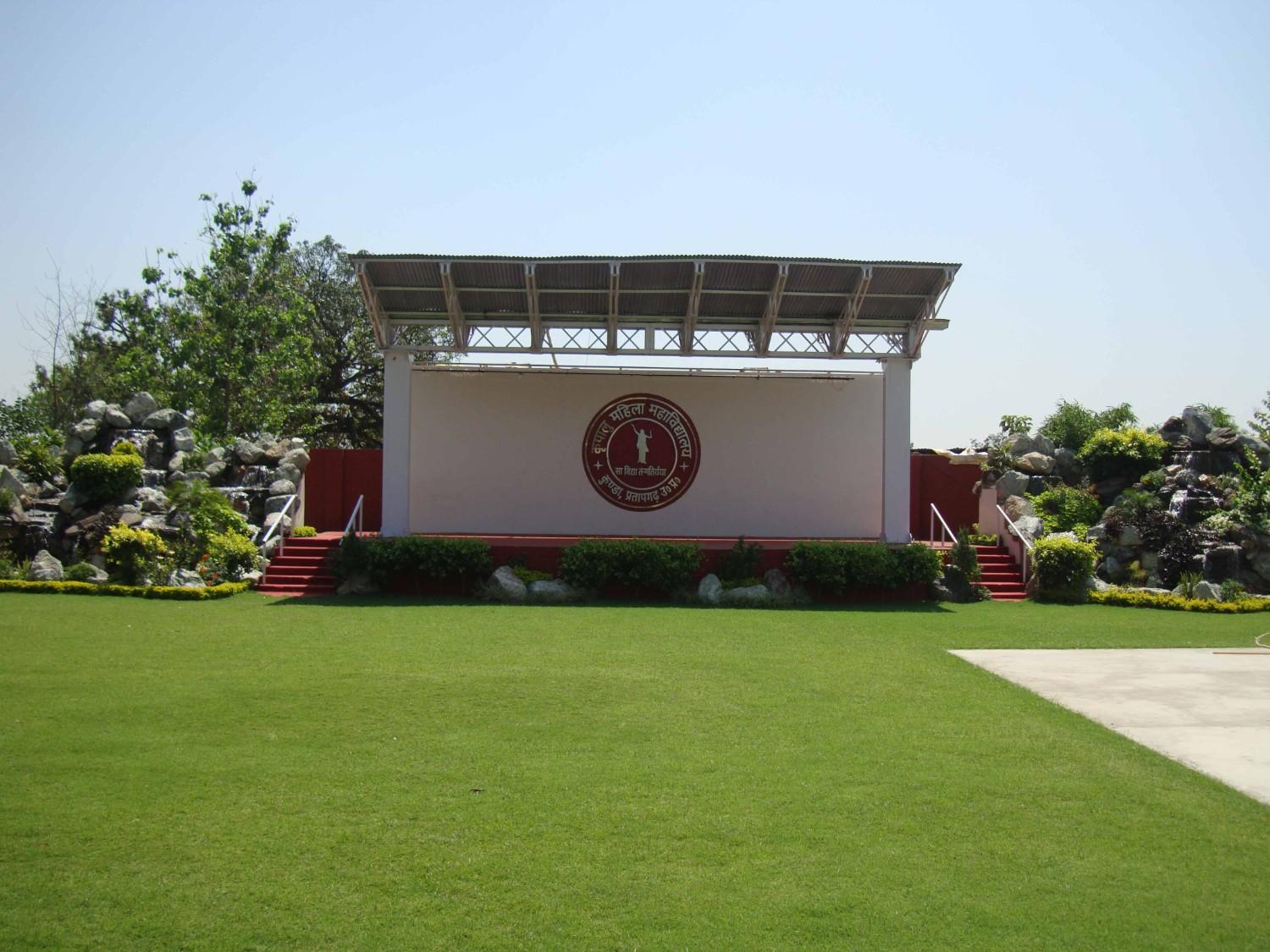
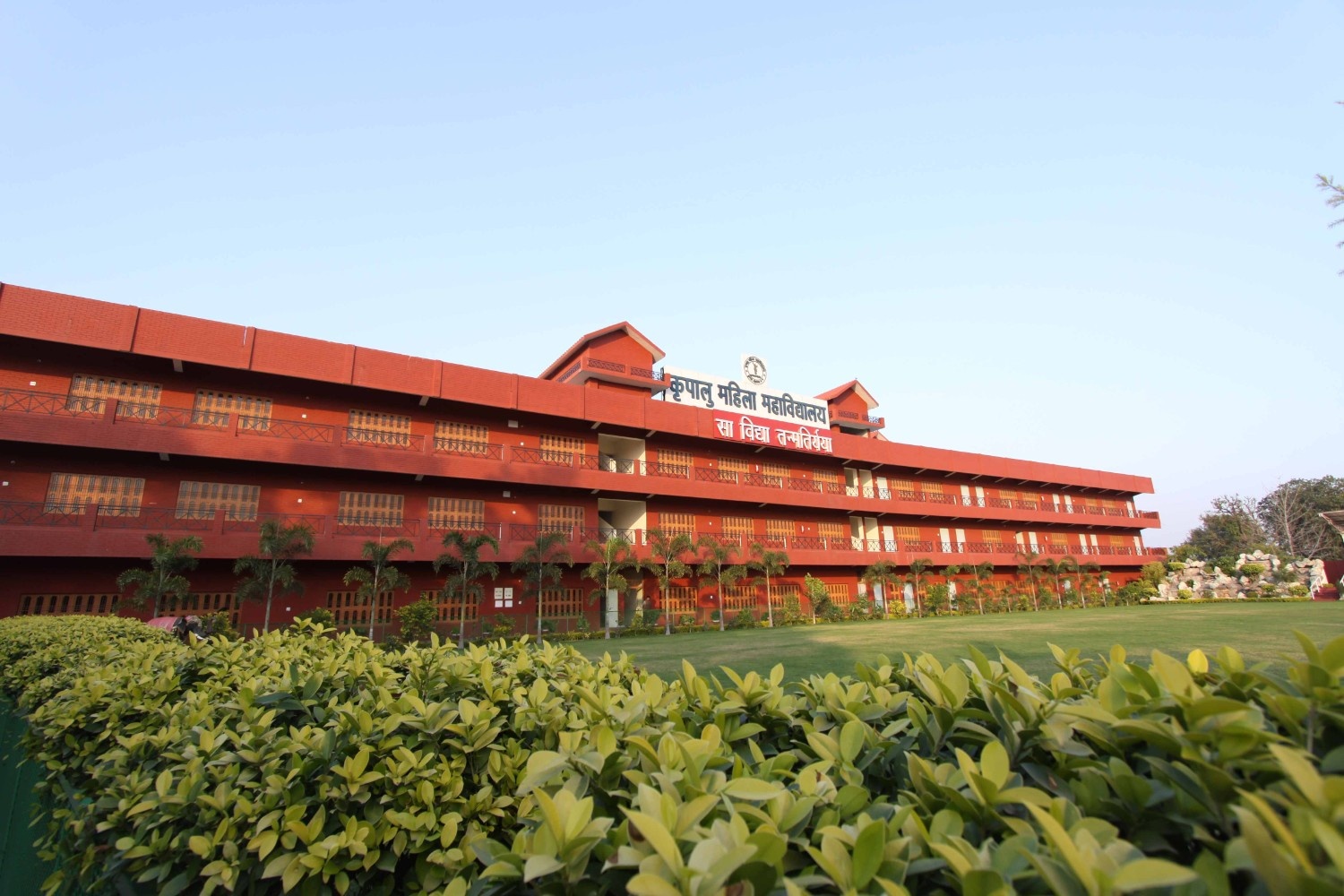
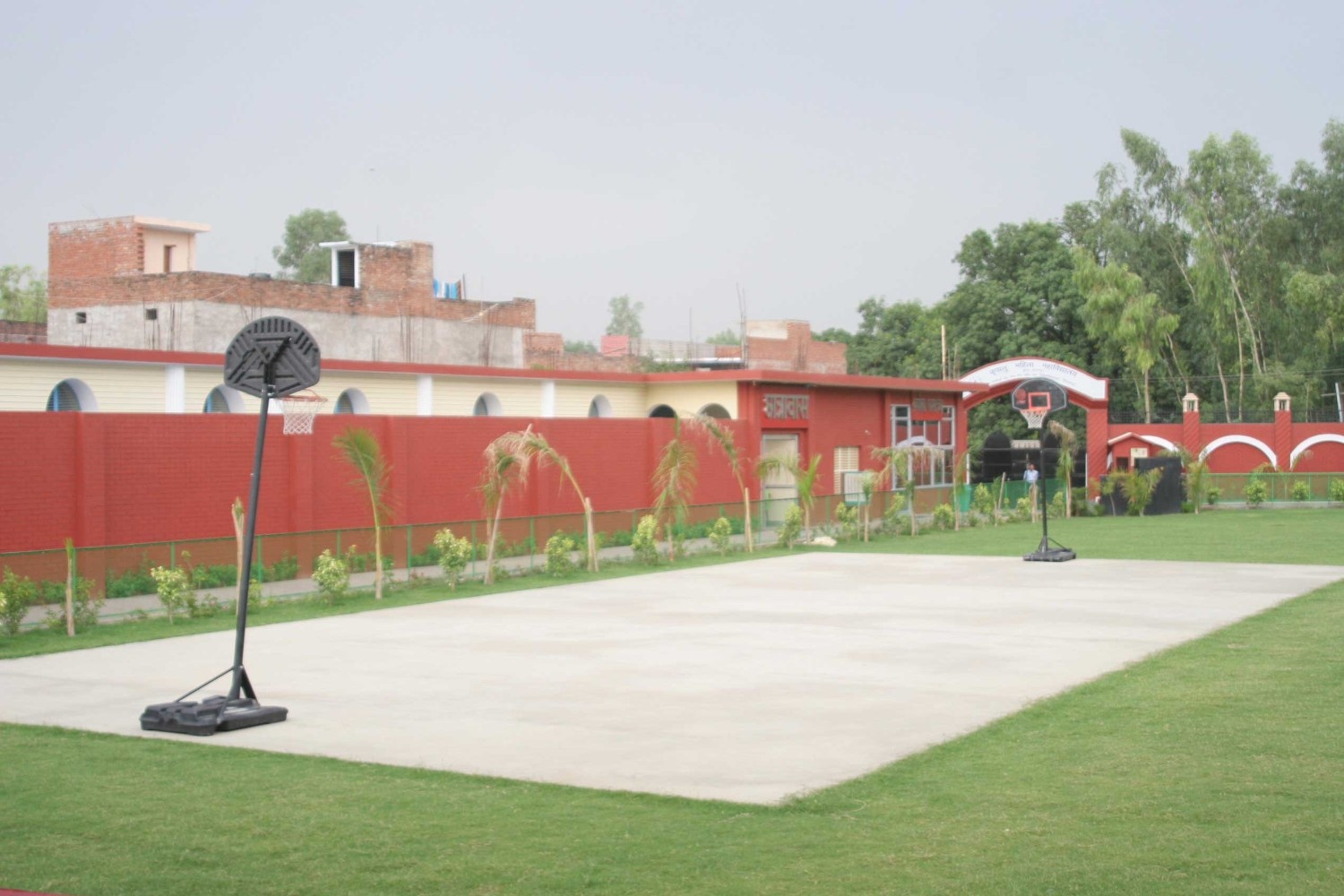
Established as a modest institution in a deeply rural and underserved area, the institution has developed significantly and now stands comparable to many leading higher education institutions. Much-required renovation of the college infrastructure was initially done, and as the years progressed, campus facilities have been added one by one to provide students with an environment that is not only comfortable and friendly, but also motivates them to acquire knowledge in best ways.

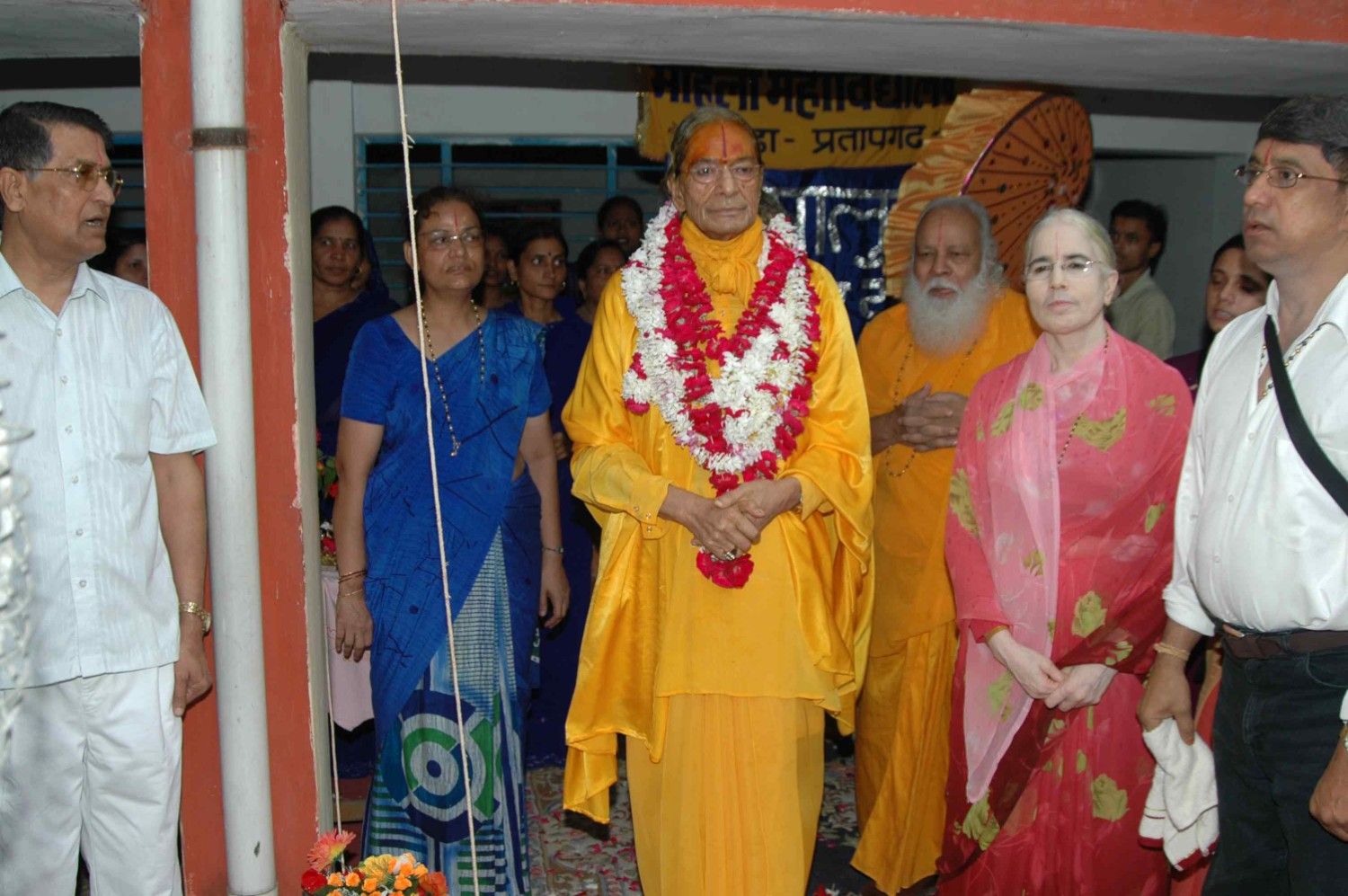
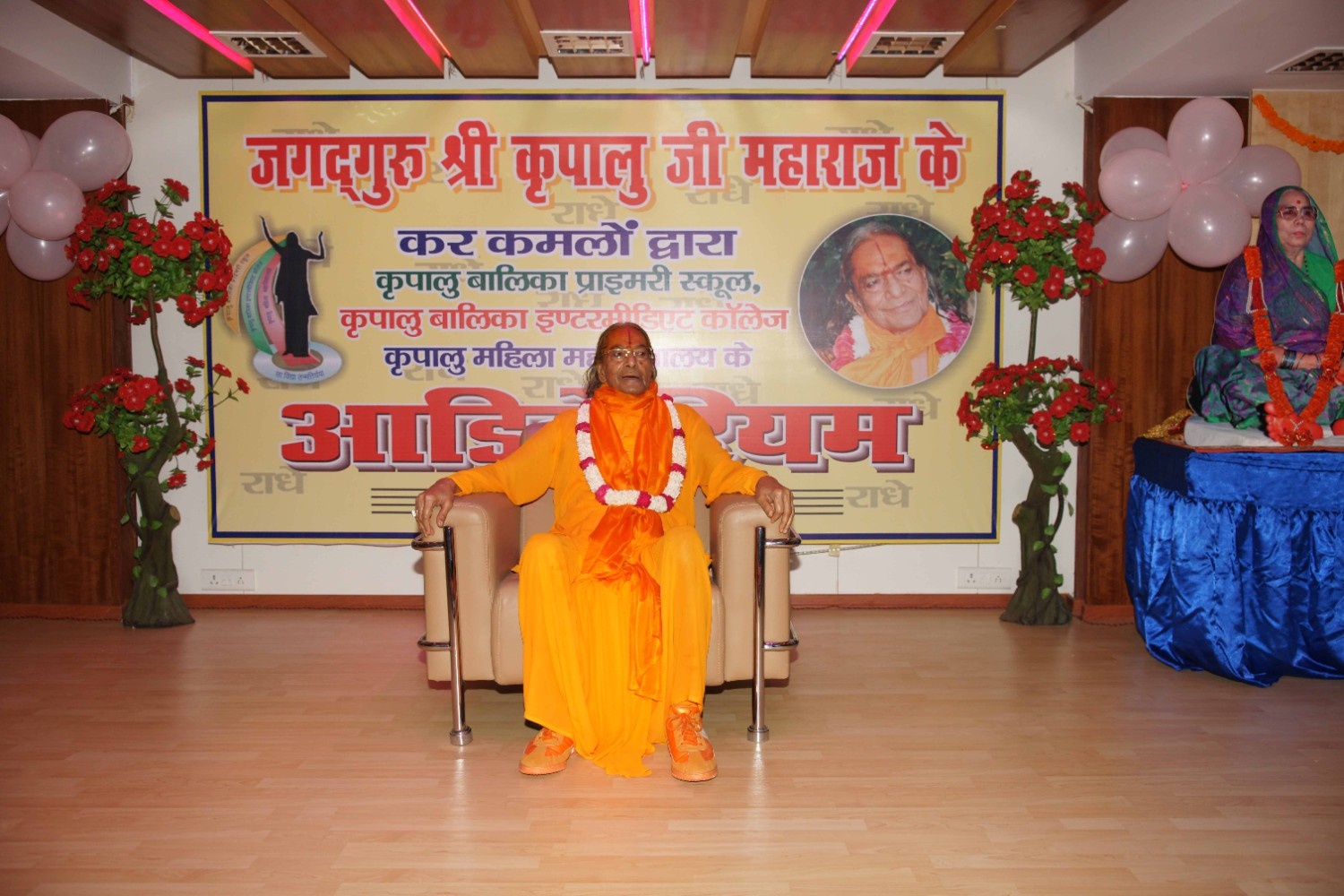
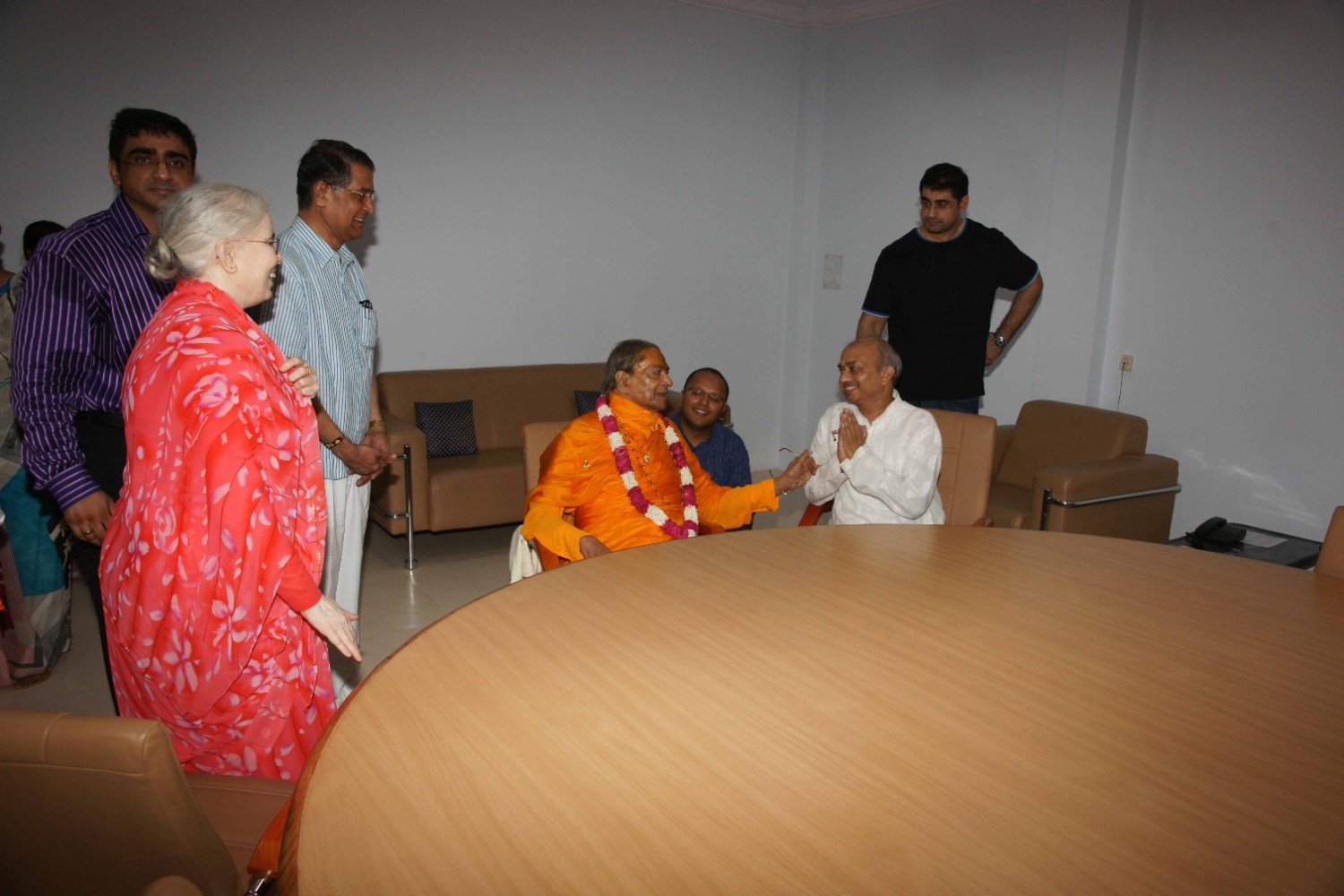
Since its establishment, the college charged only a minimal fee to keep education accessible to all. However, in December 2010, Jagadguru Shri Kripalu Ji Maharaj, out of his boundless compassion and vision for women's upliftment, graciously declared that the college would henceforth provide 100% free education for all courses directly administered and coordinated by the Jagadguru Kripalu Higher Education Society.

The enduring contributions of our Founder, Jagadguru Shri Kripalu Ji Maharaj, and our esteemed JKP Presidents — particularly Sushri Dr. Vishakha Tripathi Ji — have been the cornerstone of our institution’s growth and success. Their visionary leadership has shaped every dimension of our journey, from the development of infrastructure and academic programs to the thoughtful attention given to daily operations. Their mission has always centered on empowering girls through education, ensuring that no obstacle hinders their pursuit of knowledge — whether through the provision of free uniforms, stationery, or other essential resources. Their unwavering dedication continues to inspire and guide the progress of our institution.

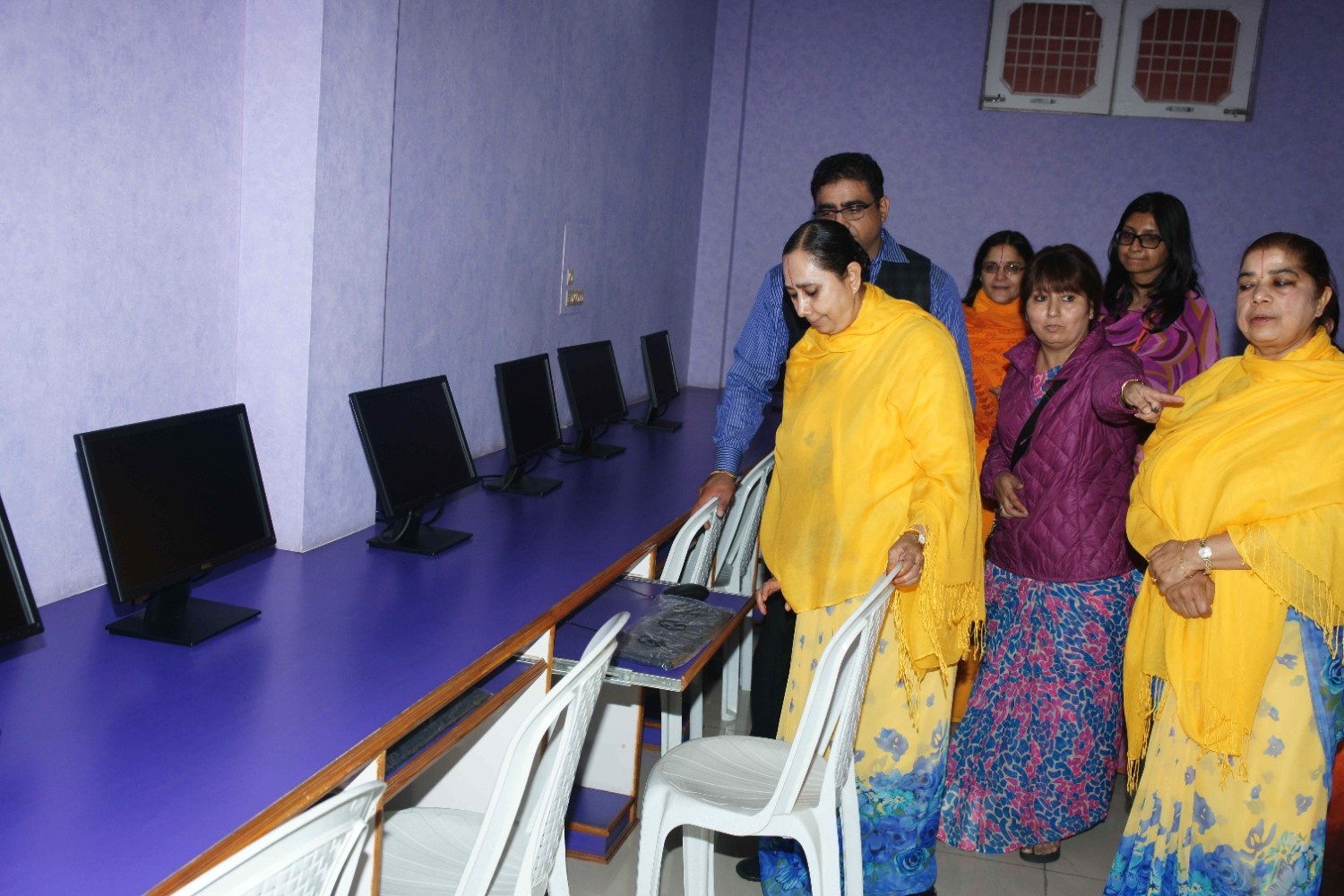
Kripalu Mahila Mahavidyalaya (KMM) strives to offer a broad spectrum of academic programmes to ensure students have access to diverse educational opportunities that foster both intellectual and personal development. The institution places particular emphasis on strengthening computer and technologyrelated courses, equipping students with essential digital skills for success in a rapidly advancing world. In alignment with its mission of holistic education, KMM also focused on enhancing campus life through the development of modern infrastructure, recreational facilities, cultural fairs, and college events

KMM had a systematic and well-thought-out plan that facilitated the qualitative growth of the Institution.

The plan was implemented in the following four phases:

  • 1) Phase 1(1998 – 2004) – Establishment and Initial Development
  • 2) Phase 2 (2005 – 2010) – Strengthening Roots for Visionary Growth
  • 3) Phase 3 (2011 – 2022) – Expansion Beyond the Horizon
  • 4) Phase 4 (2023 Onwards) - Progression Towards Excellence
PHASE 2 (2005 – 2010)
PHASE 1 (1998 – 2004)

PHASE 2 (2005 – 2010) – STRENGTHENING ROOTS FOR VISIONARY GROWTH

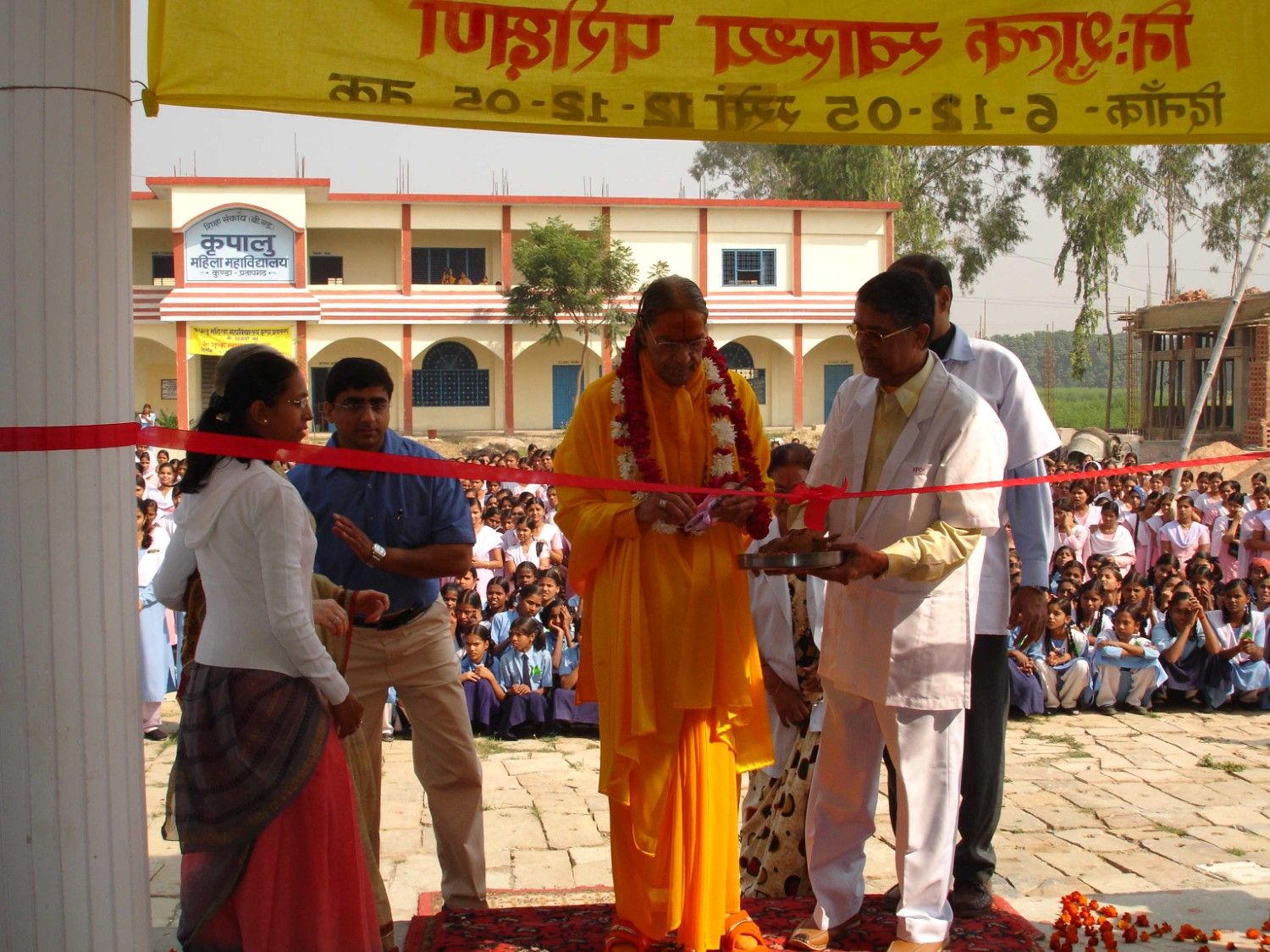
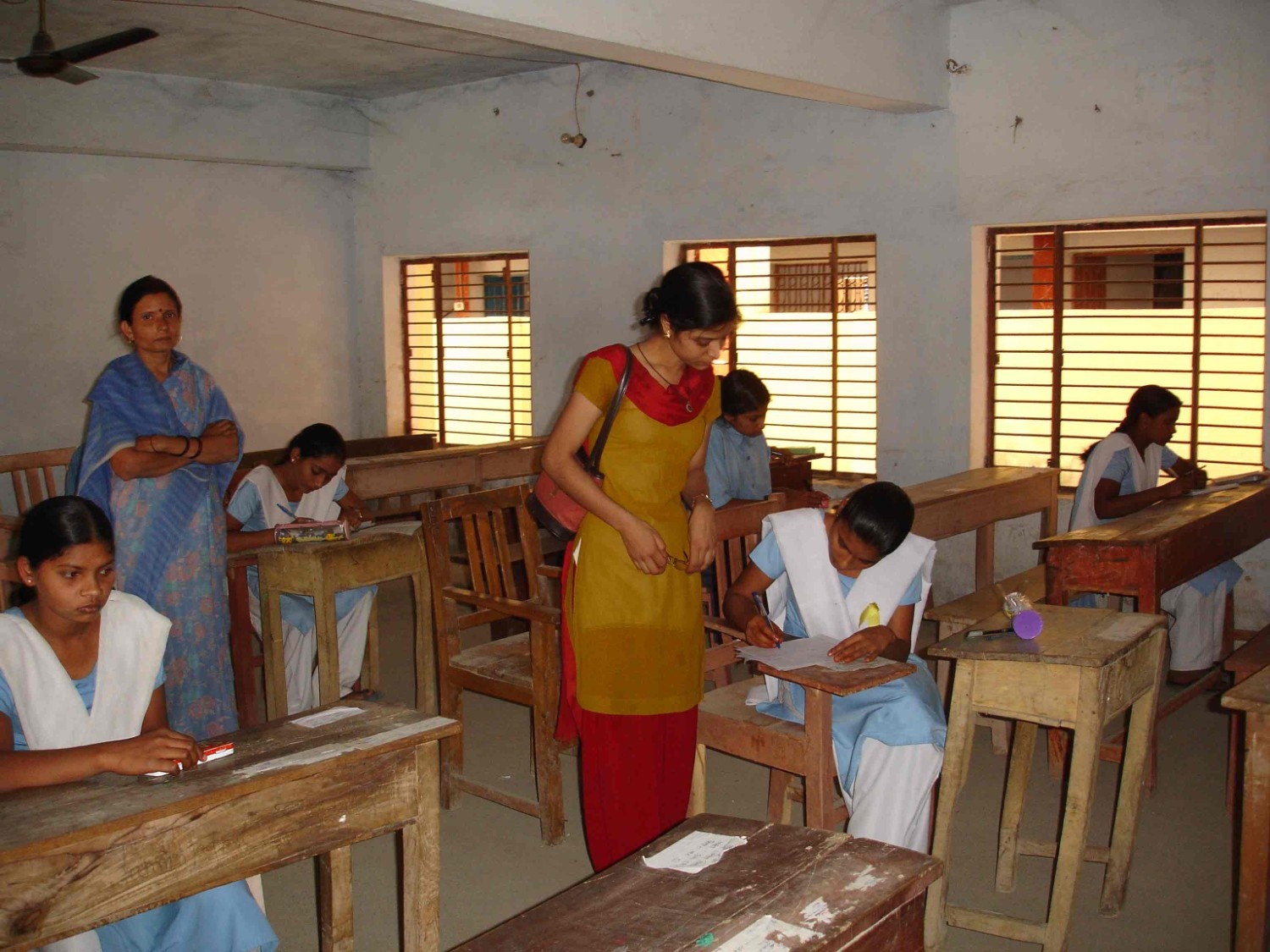
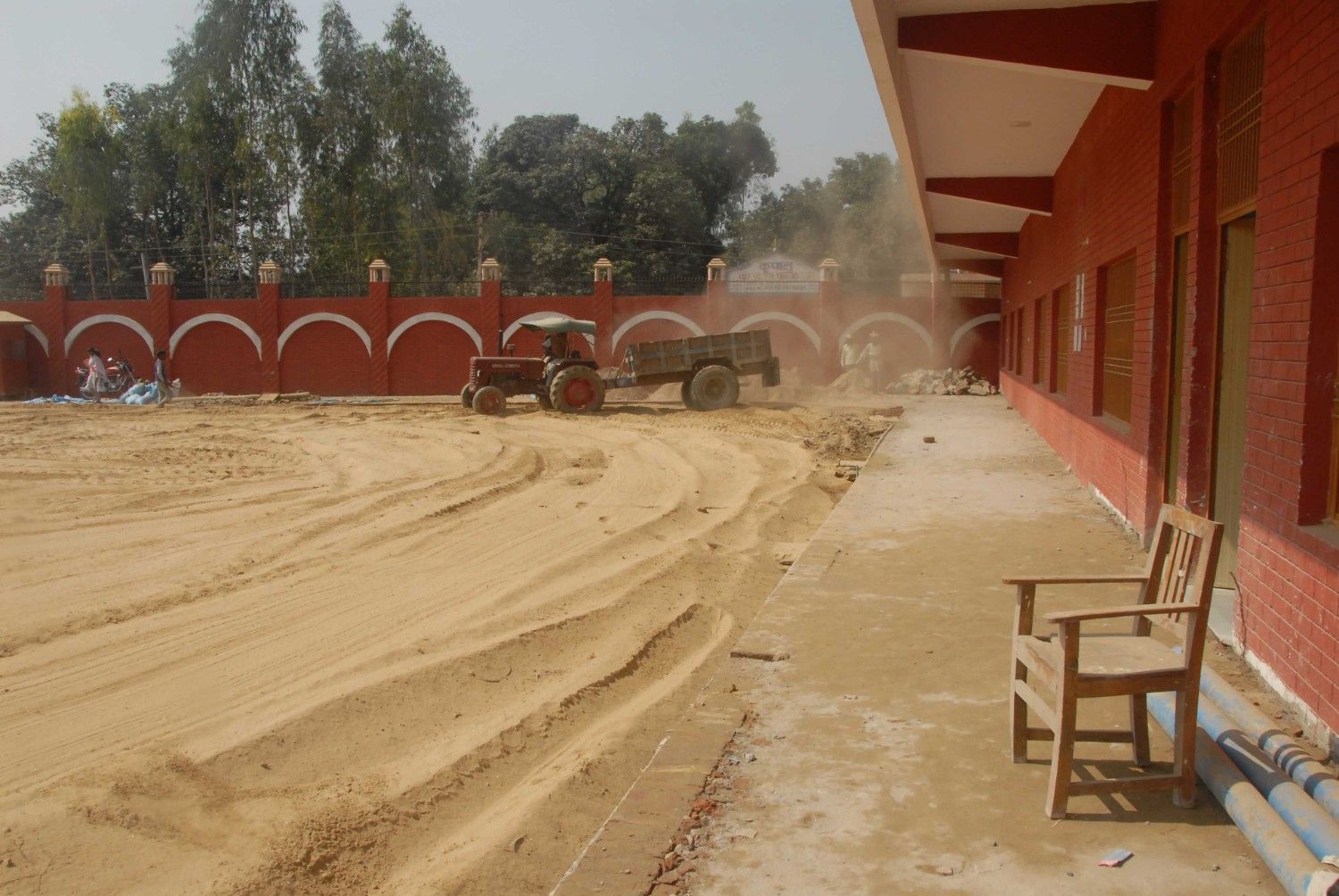
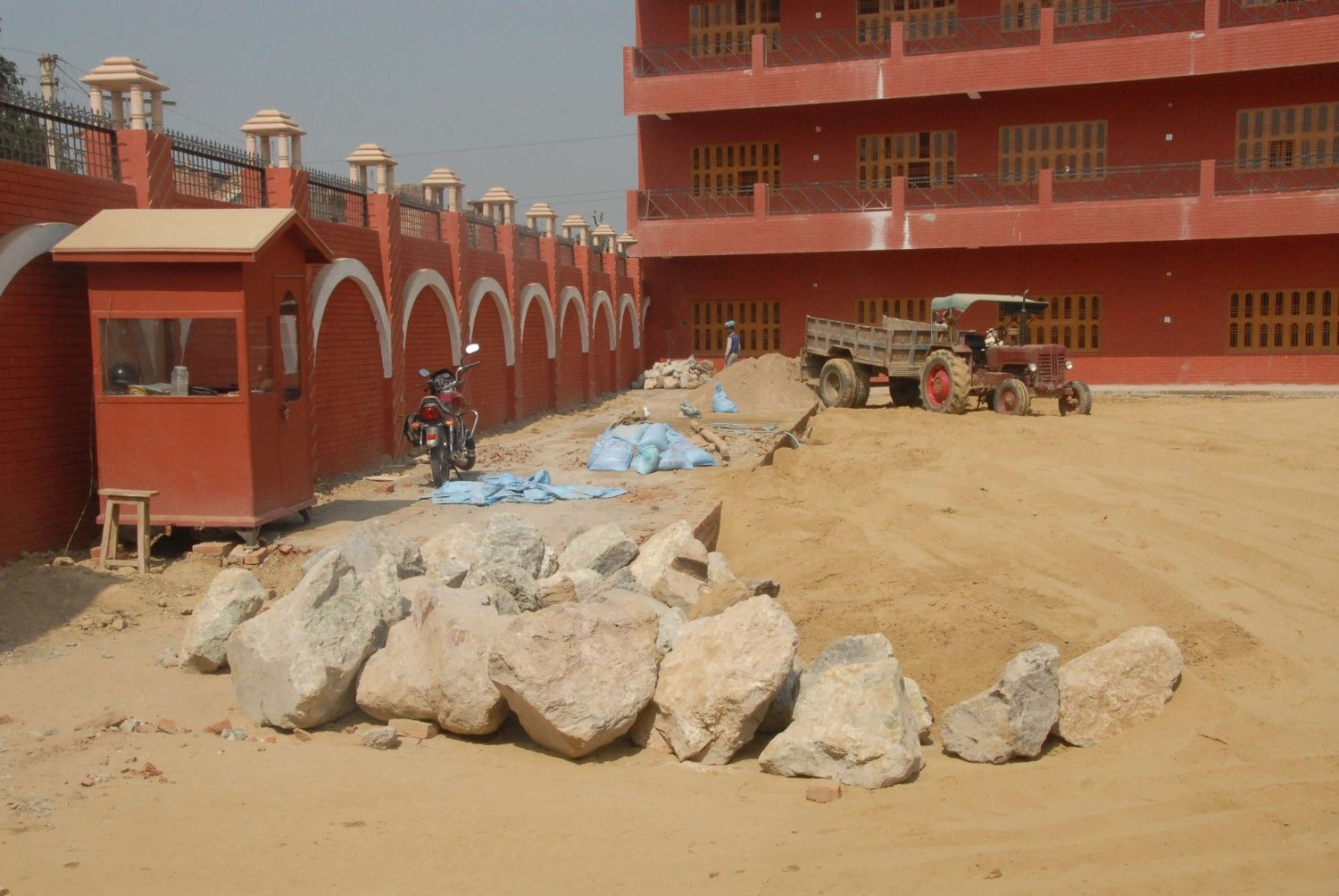
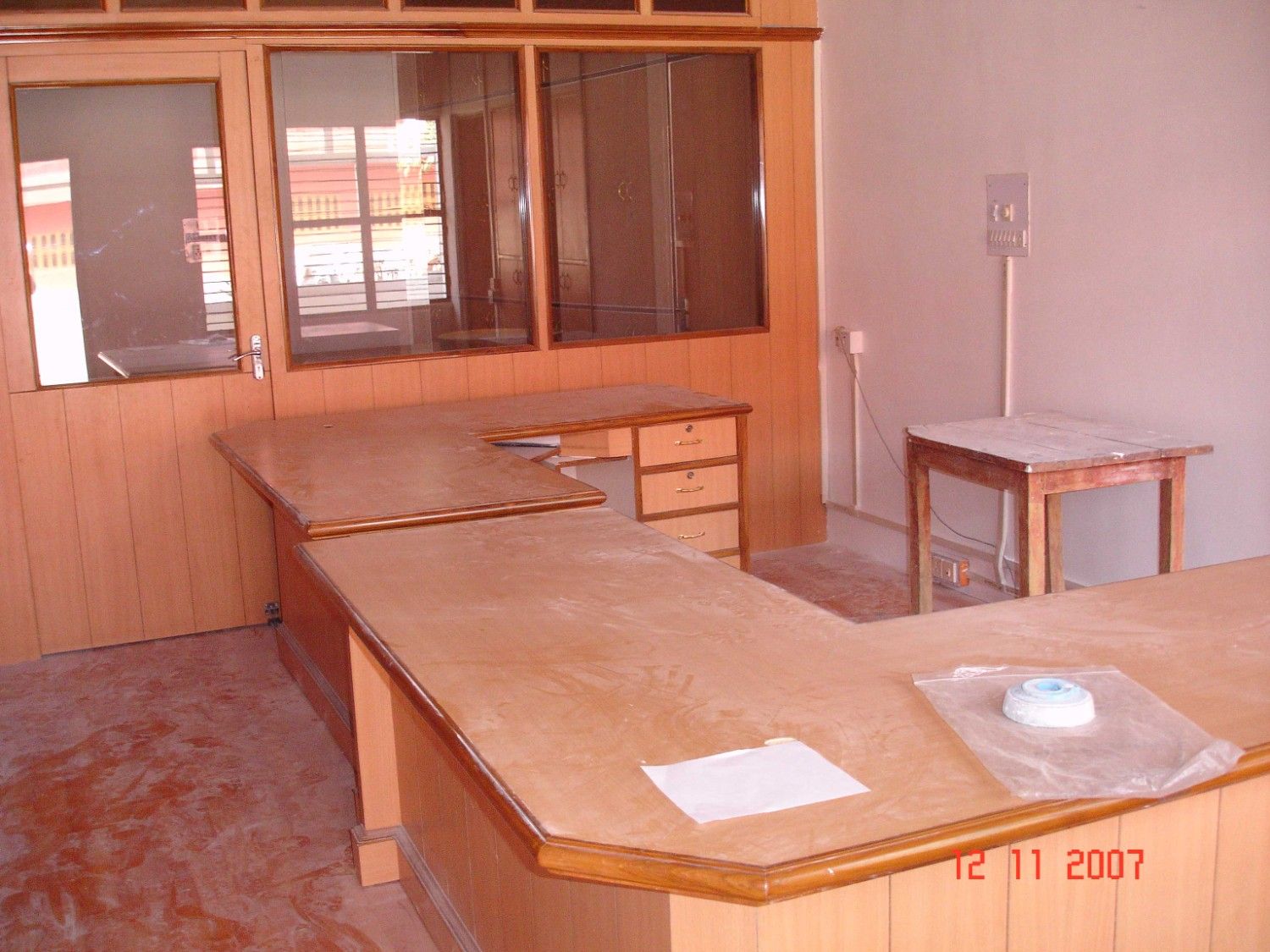
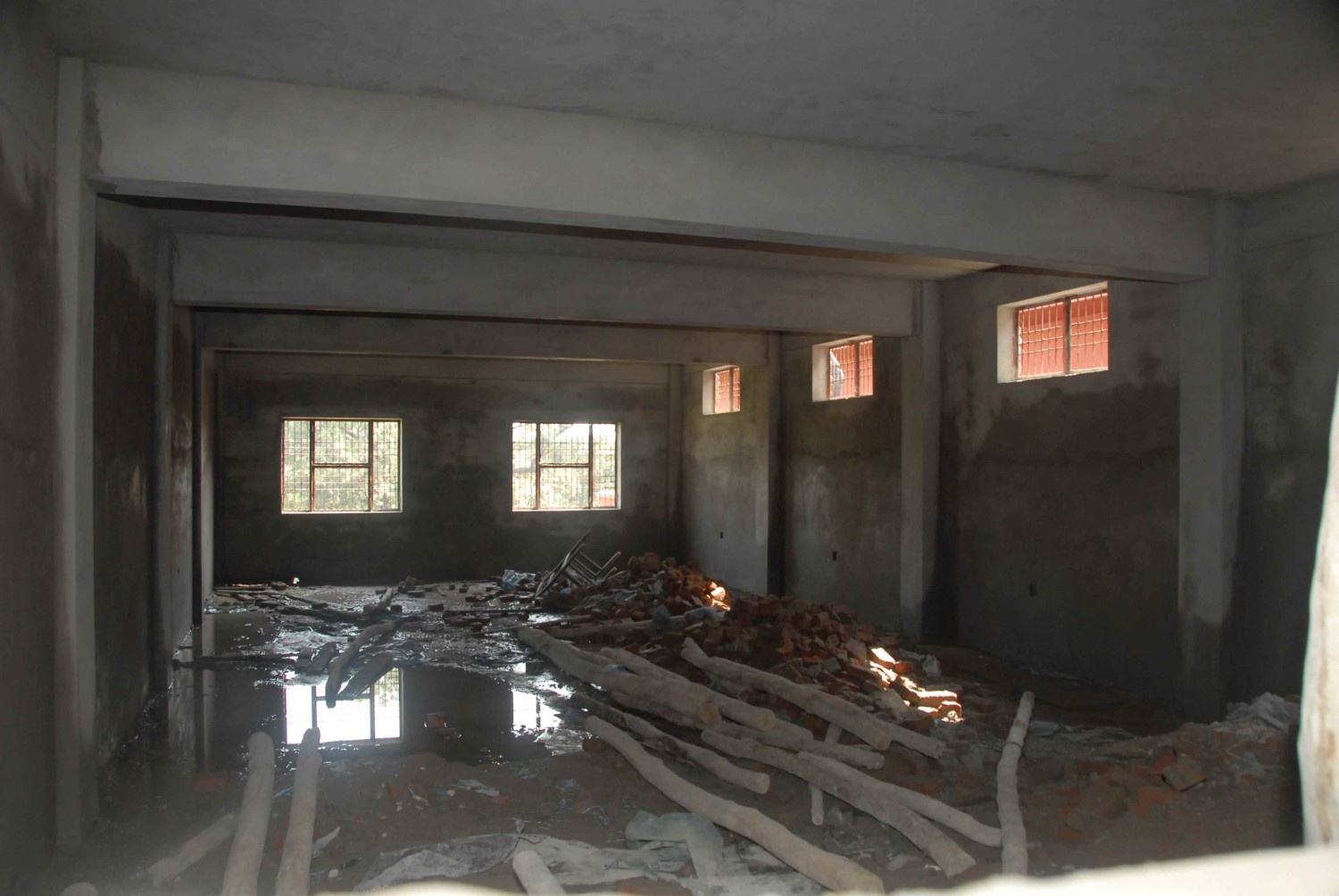
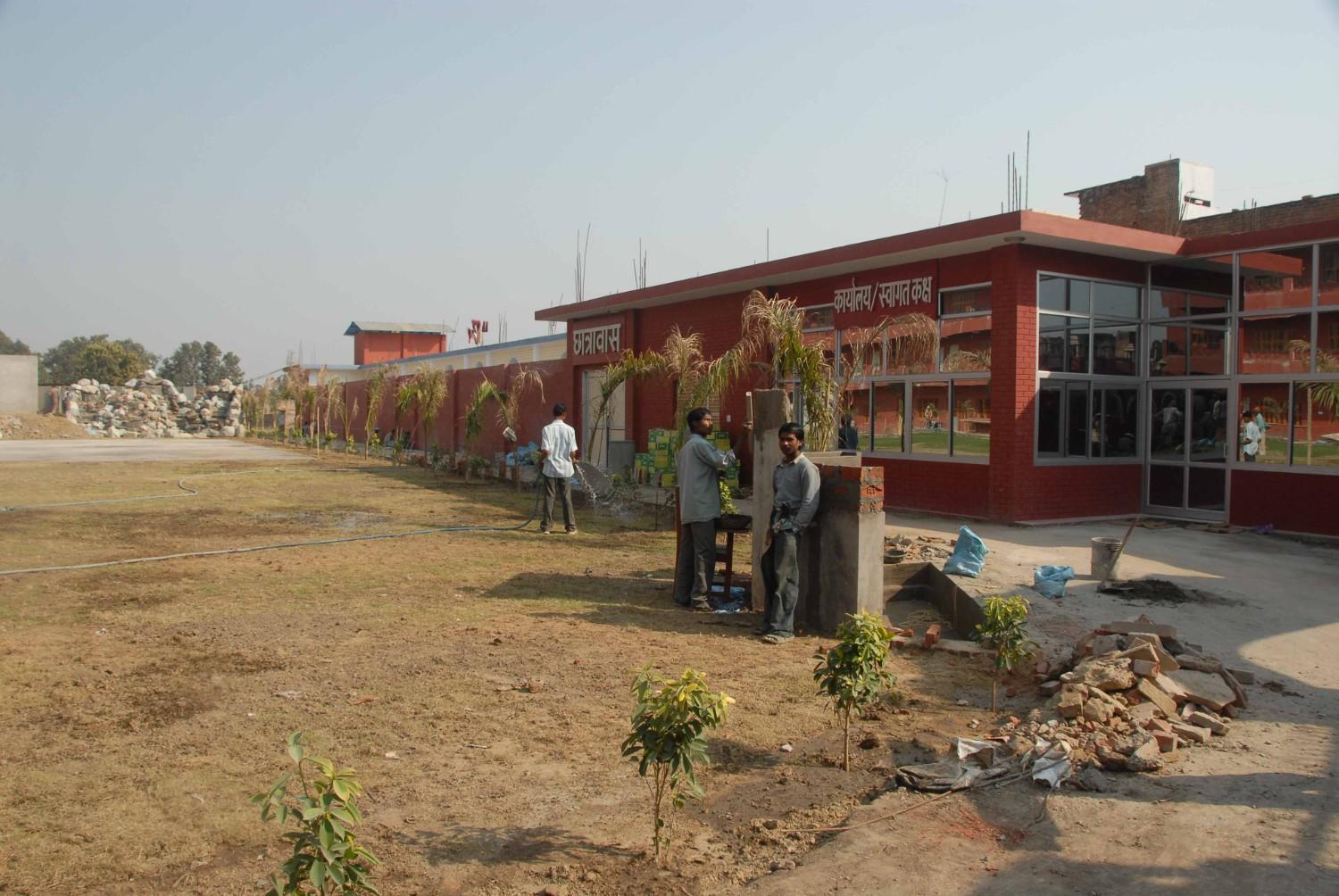
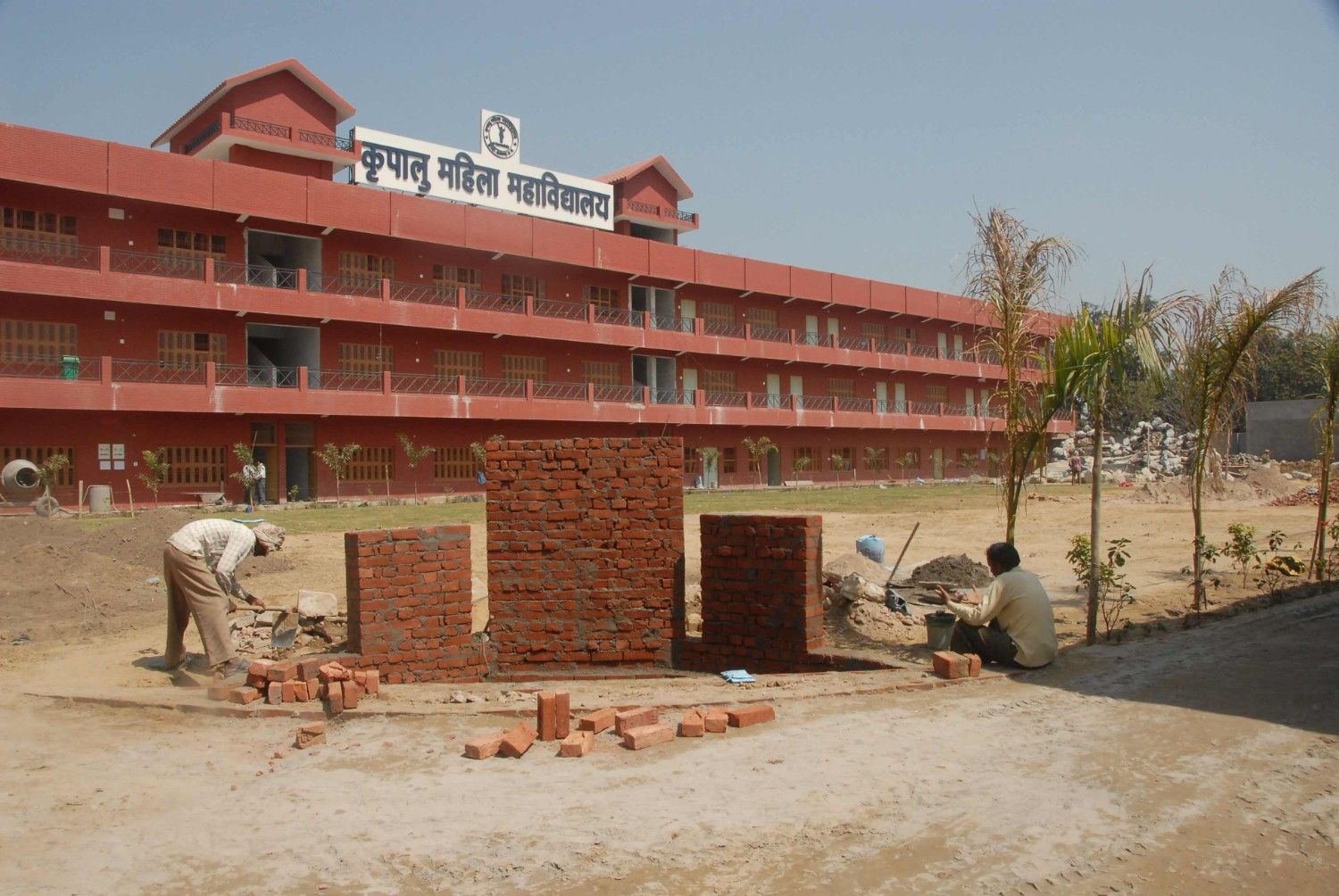
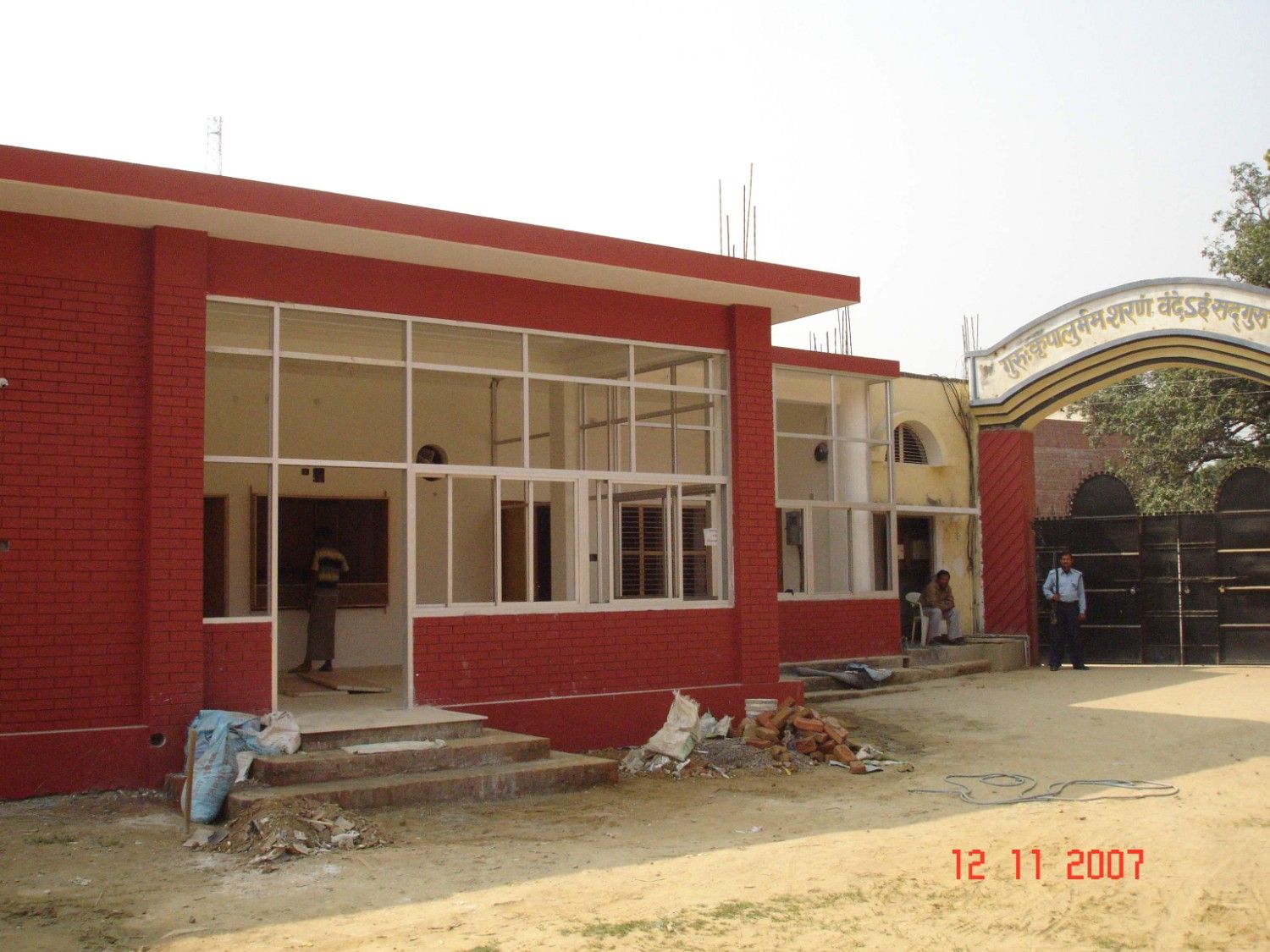
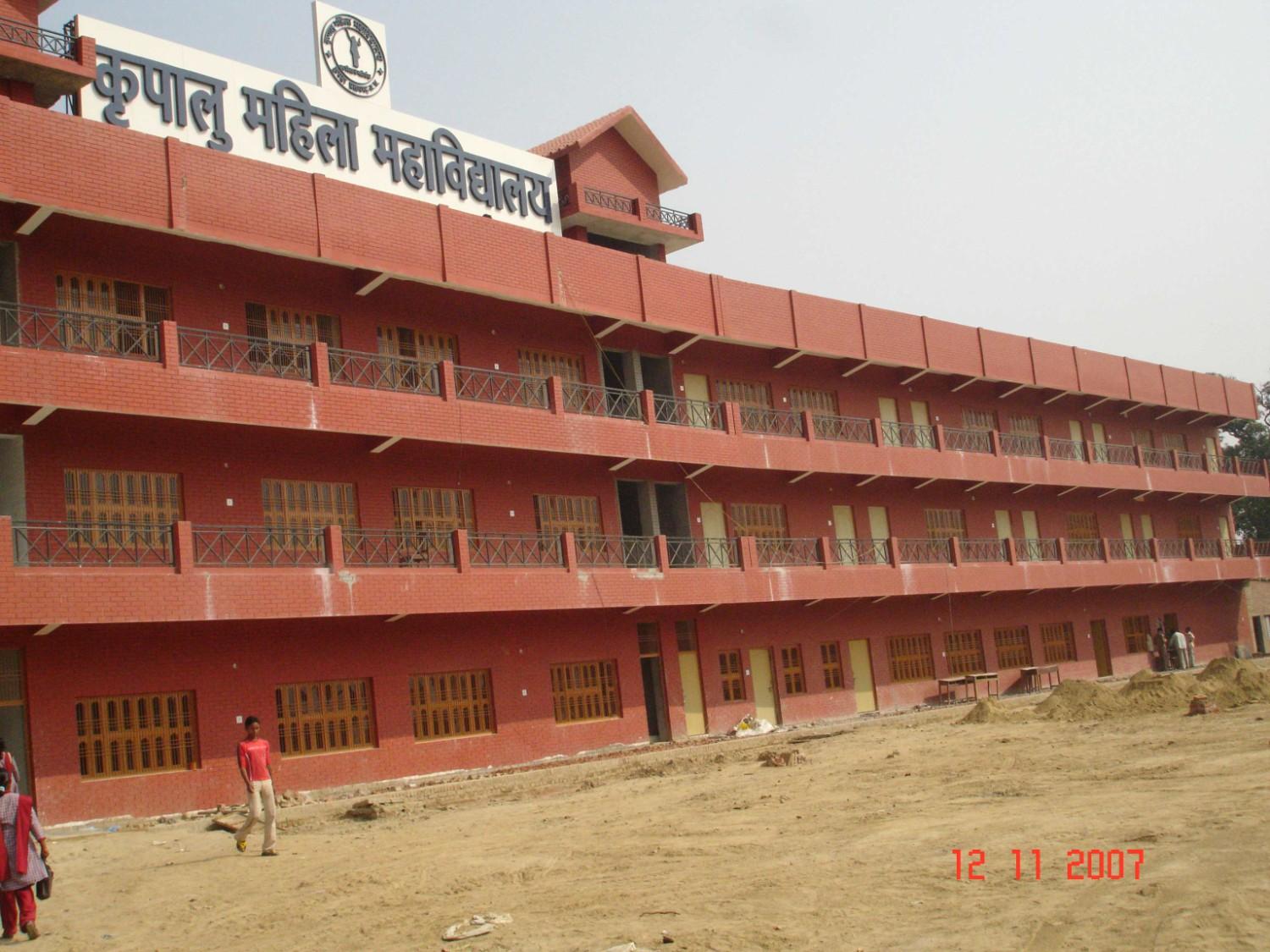
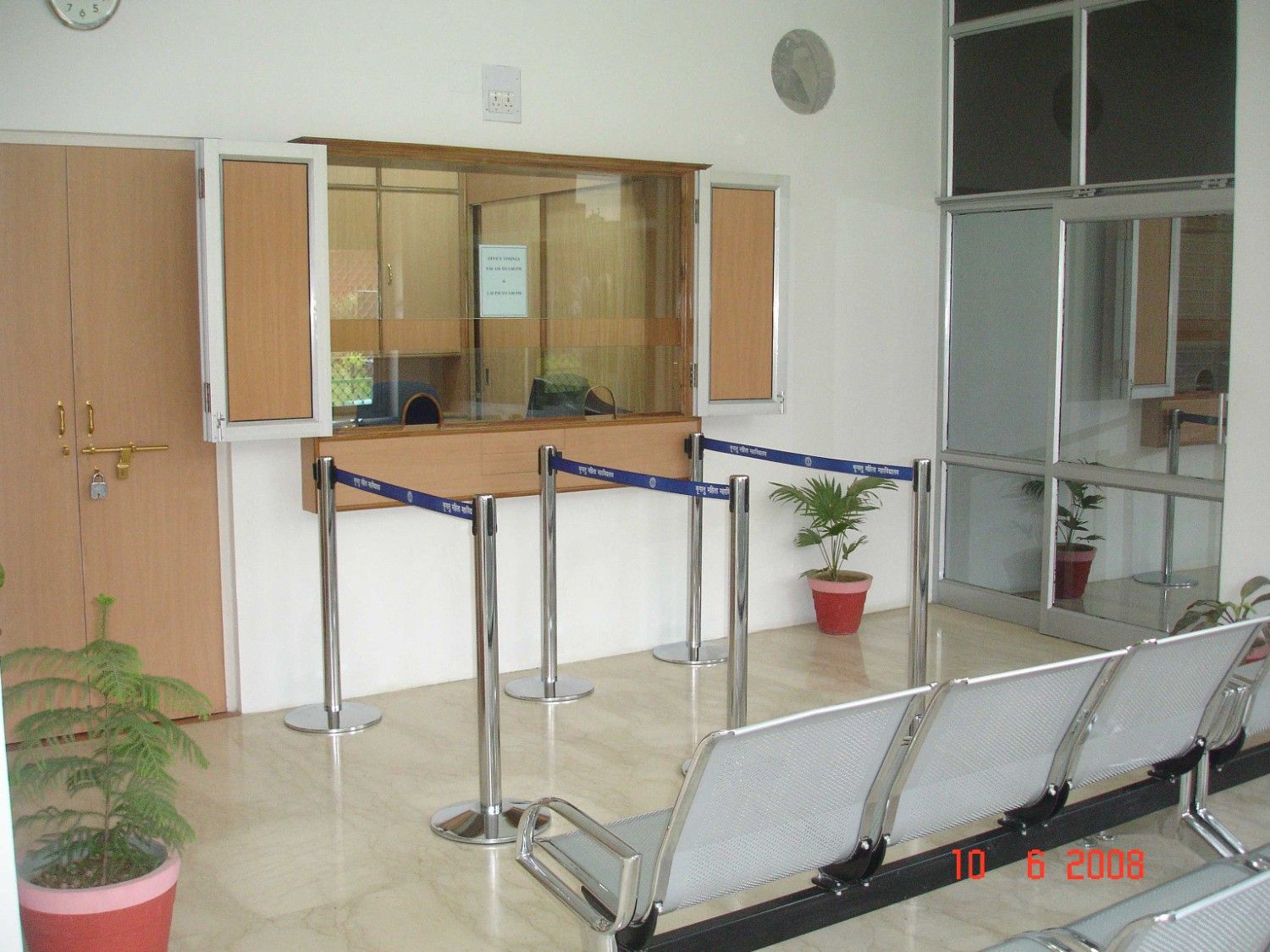
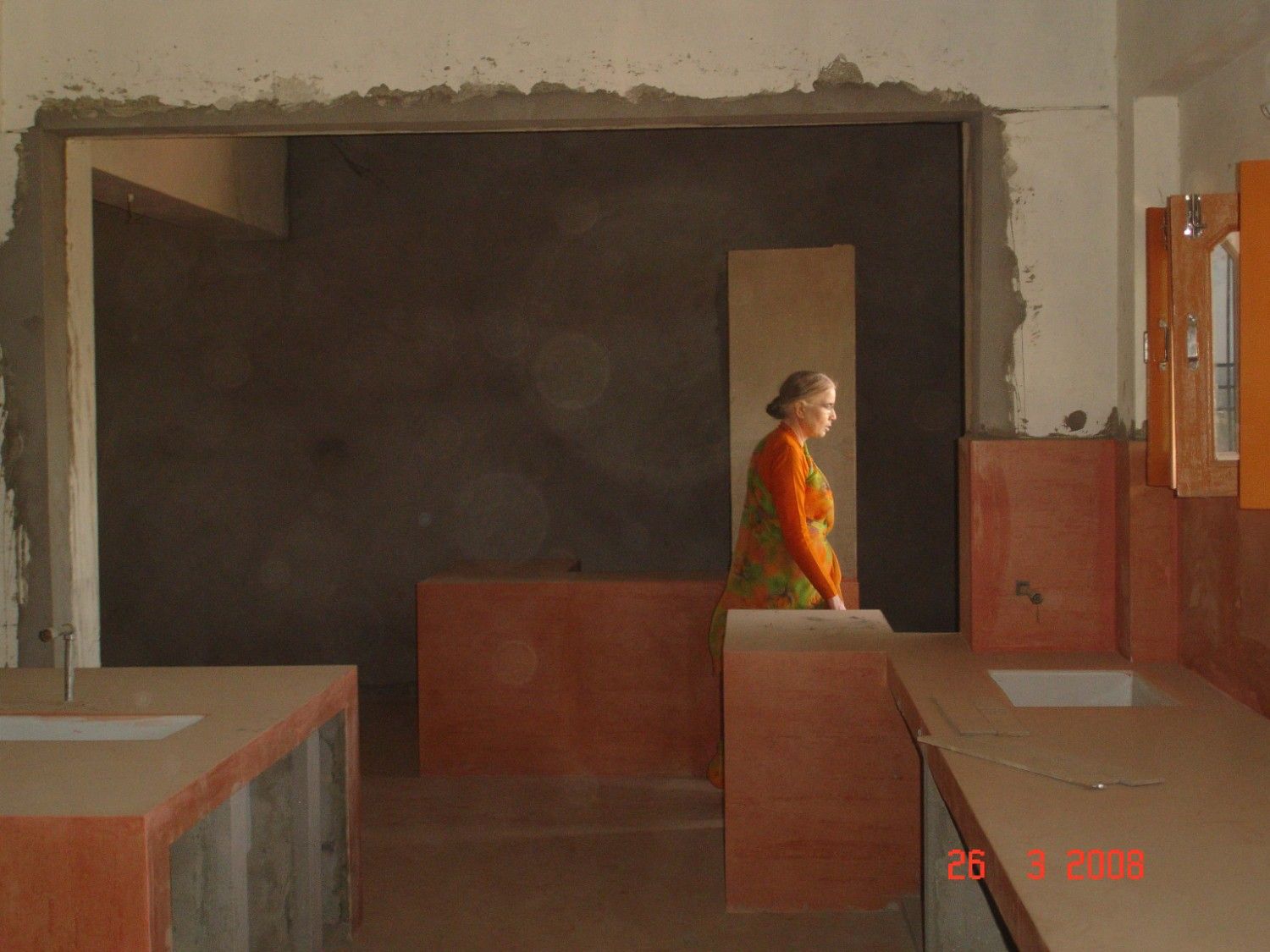
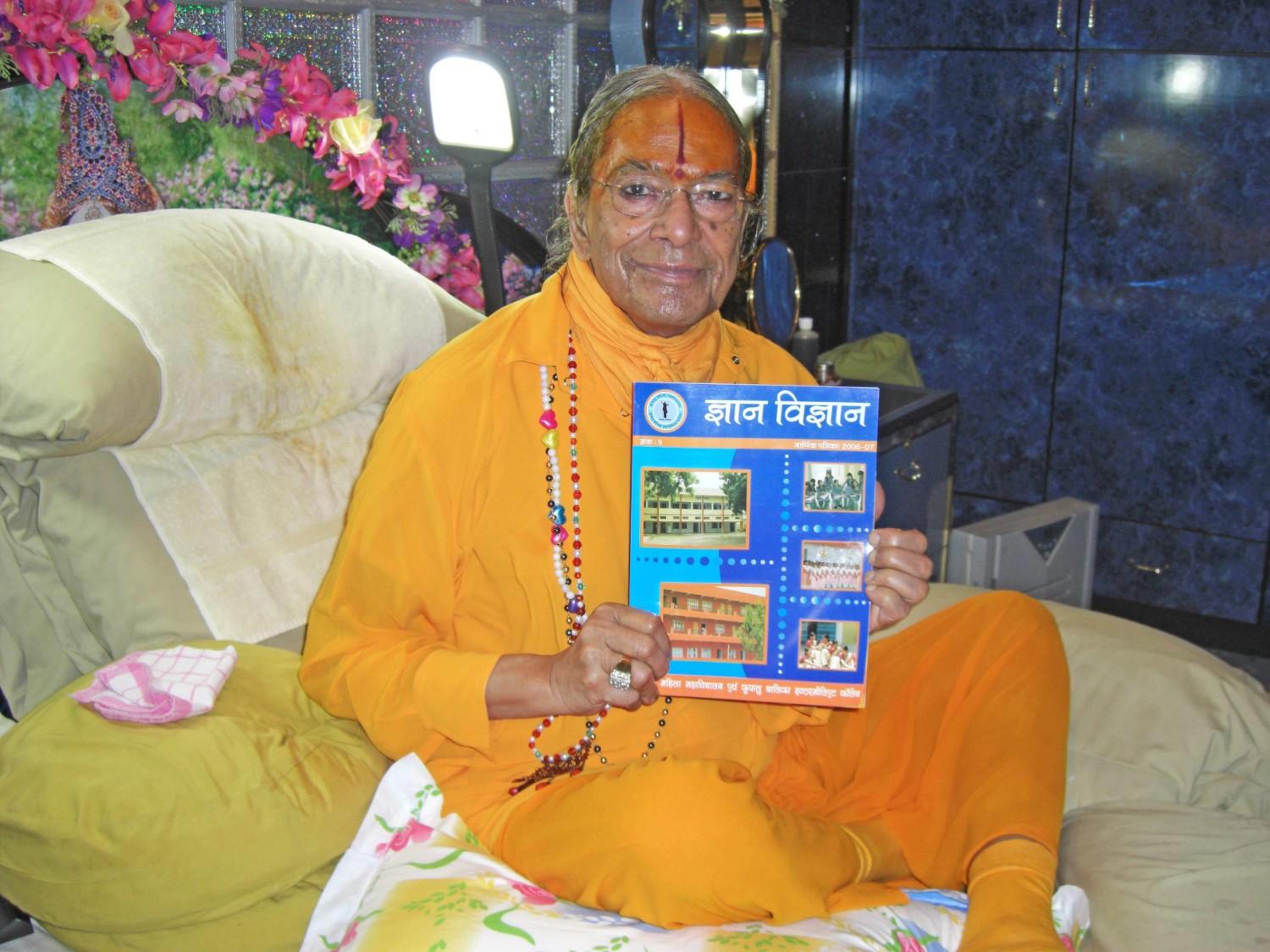
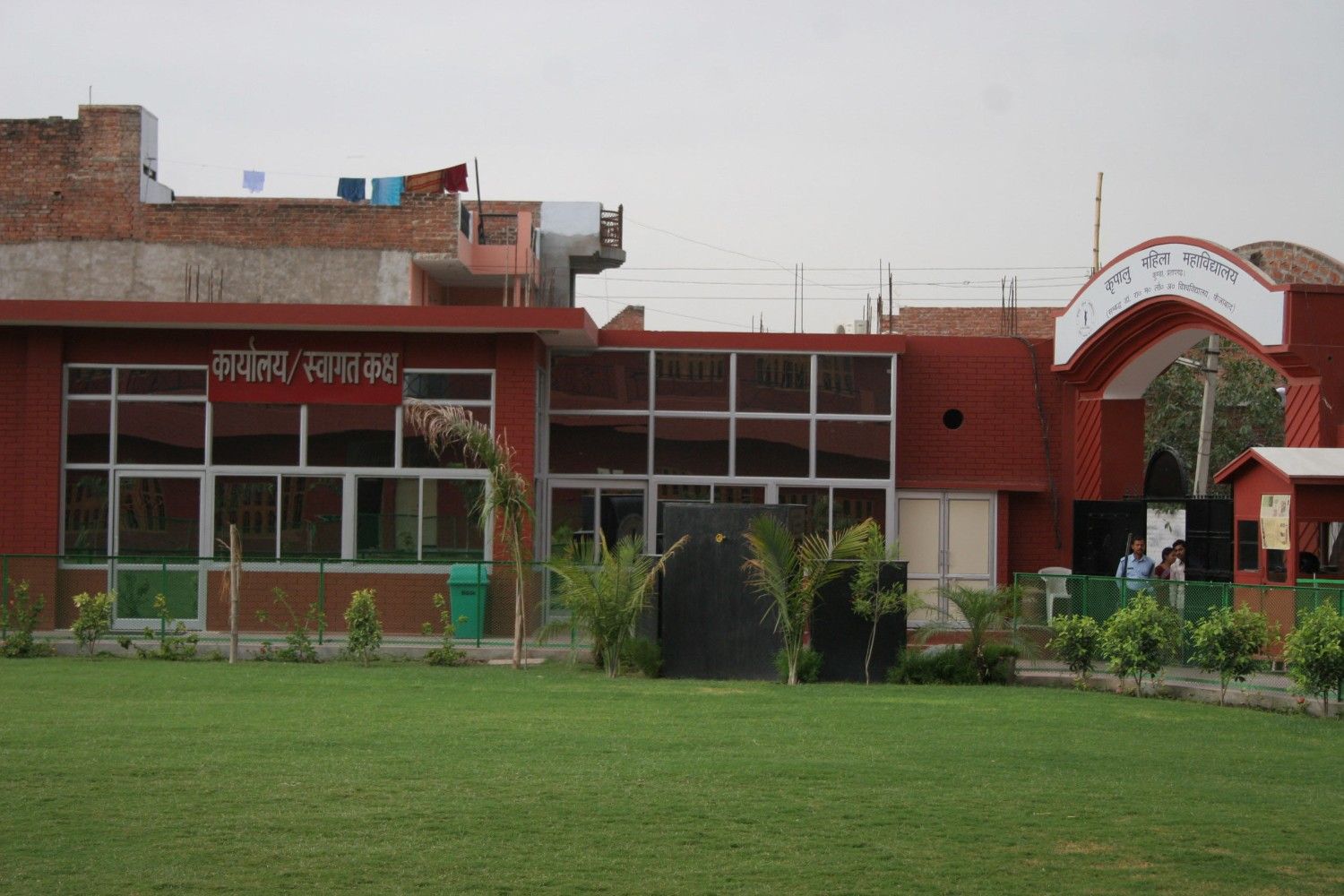
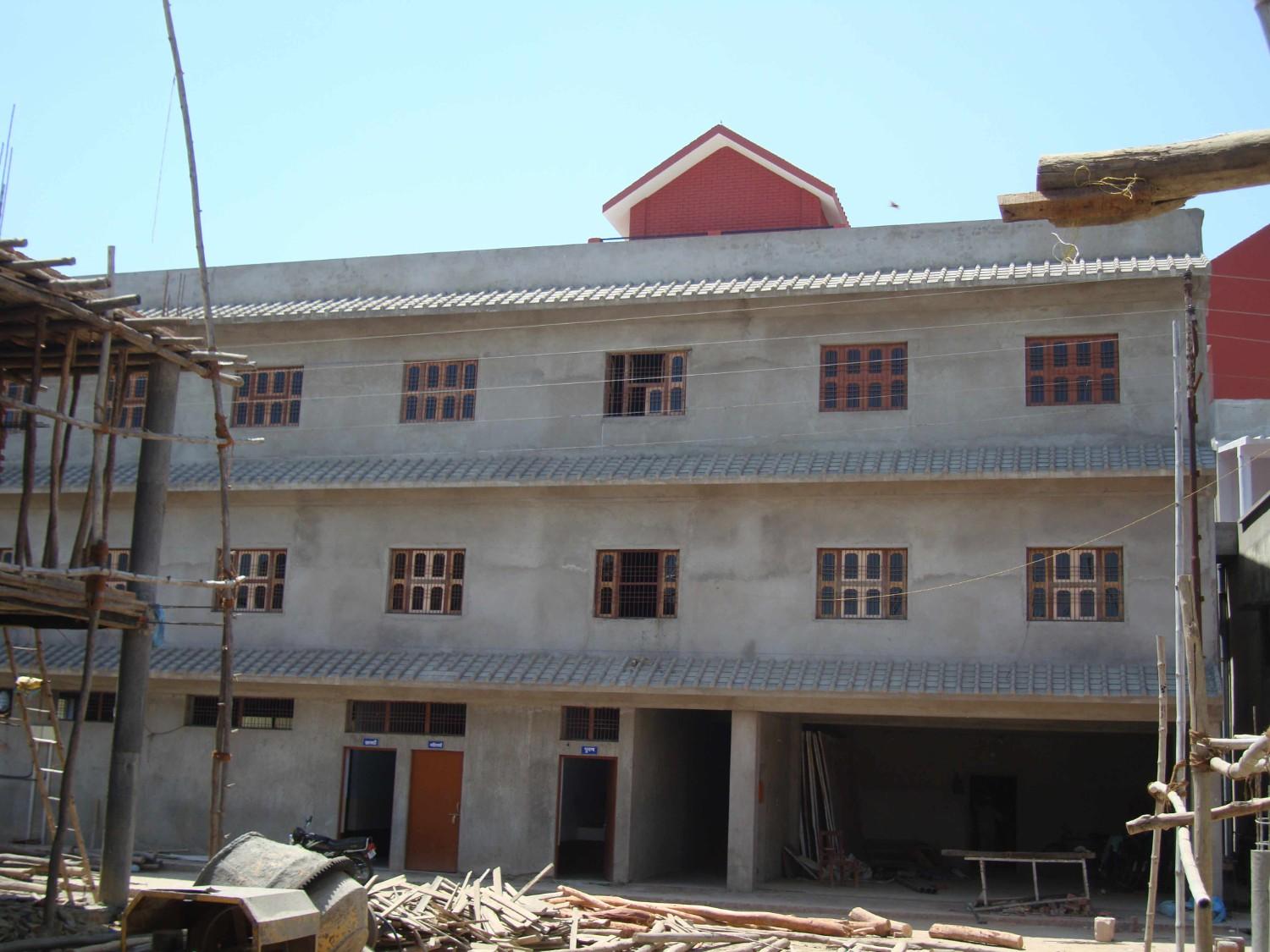
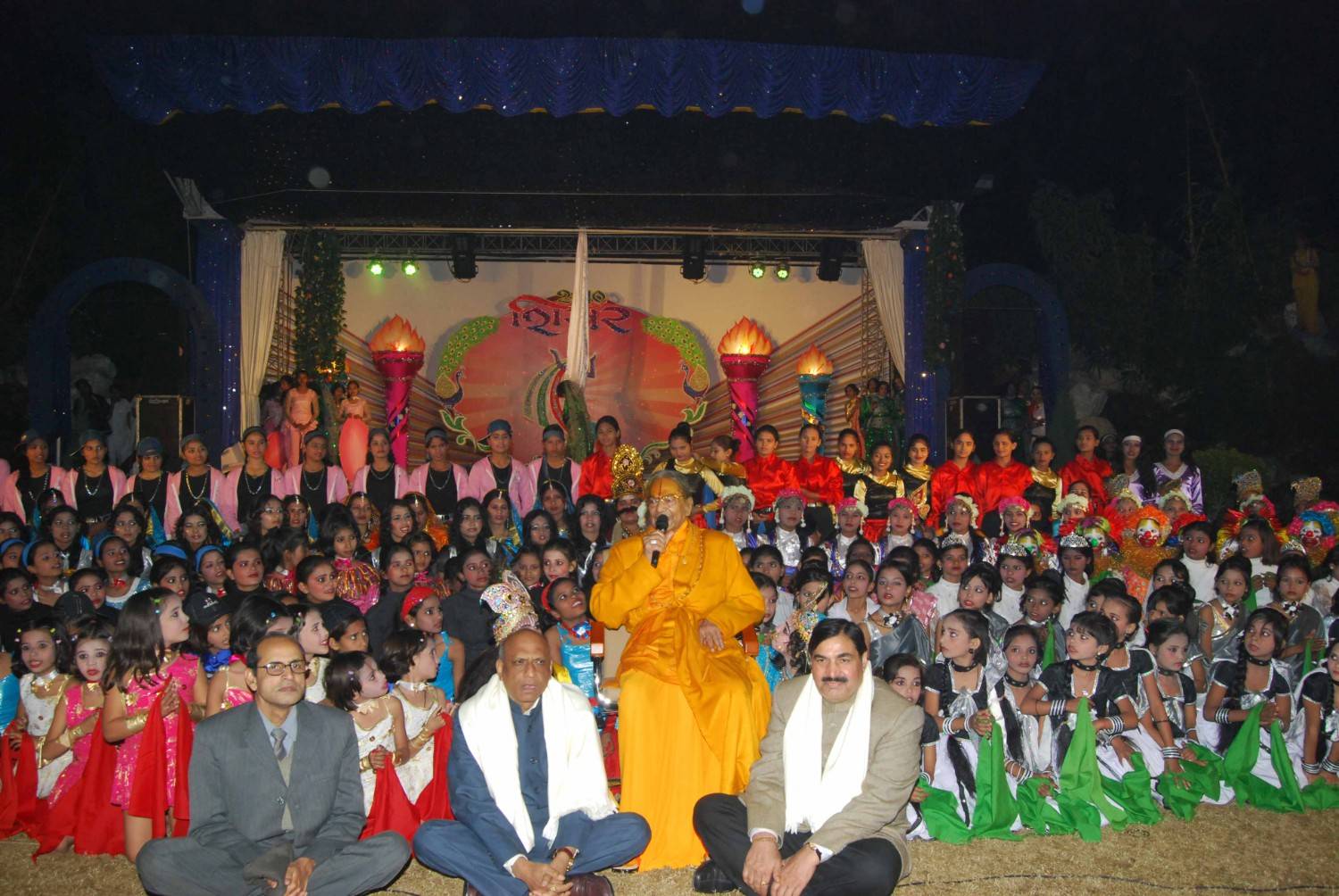
Phase 2 was a very important phase for KMM, as this period was designated for overall development— from adding new courses to acquiring more land, building new infrastructure, and providing students with the best possible academic environment. Massive construction and development began in 2005. Promotion of quality education was KMM’s main agenda. There was a substantial positive change in the working culture as well. The most significant milestone during this phase was the declaration by our Founder, Jagadguru Shri Kripalu Ji Maharaj, to offer 100% free education to all students at the institution. Key Highlights during this phase (2005 – 2010): • Construction of a dedicated office block for proper functioning and record maintenance of students. • Installation of college software to track and keep computerized details of accounts, inventories, student details, staff details, etc. in order to replace manual working procedures for a better functioning system. • Outstanding University results for KMM’s first batch of B.Ed. students. • Construction of a new building to fulfill requirements for starting B.Sc. and M.A. courses. • Classes for B.Ed. and B.A. running at full capacity. • Outstanding Personality Development of Students. • Affiliation received for B.Sc. and M.A. courses. • During the 2010 annual function ‘Shikhar’, Jagadguru Shri Kripalu Ji Maharaj declared that the institution would offer 100% free education to all its students. • The college’s annual magazine was renamed from “Kripalu” to “Gyan-Vigyan” by Jagadguru Shri Kripalu Ji Maharaj himself. • The annual function, previously known as “Shikhar”, was renamed “Utthaan” by Jagadguru Shri Kripalu Ji Maharaj. While Shikhar—meaning “summit” or “peak”—symbolised achievement, Utthaan carries a deeper connotation of upliftment, awakening, and progressive rise, and better reflects the essence and evolving vision of the event. Phase 2 proved to be a highly successful period for the growt
PHASE 1 (1998 – 2004) –ESTABLISHMENT AND INITIAL DEVELOPMENT

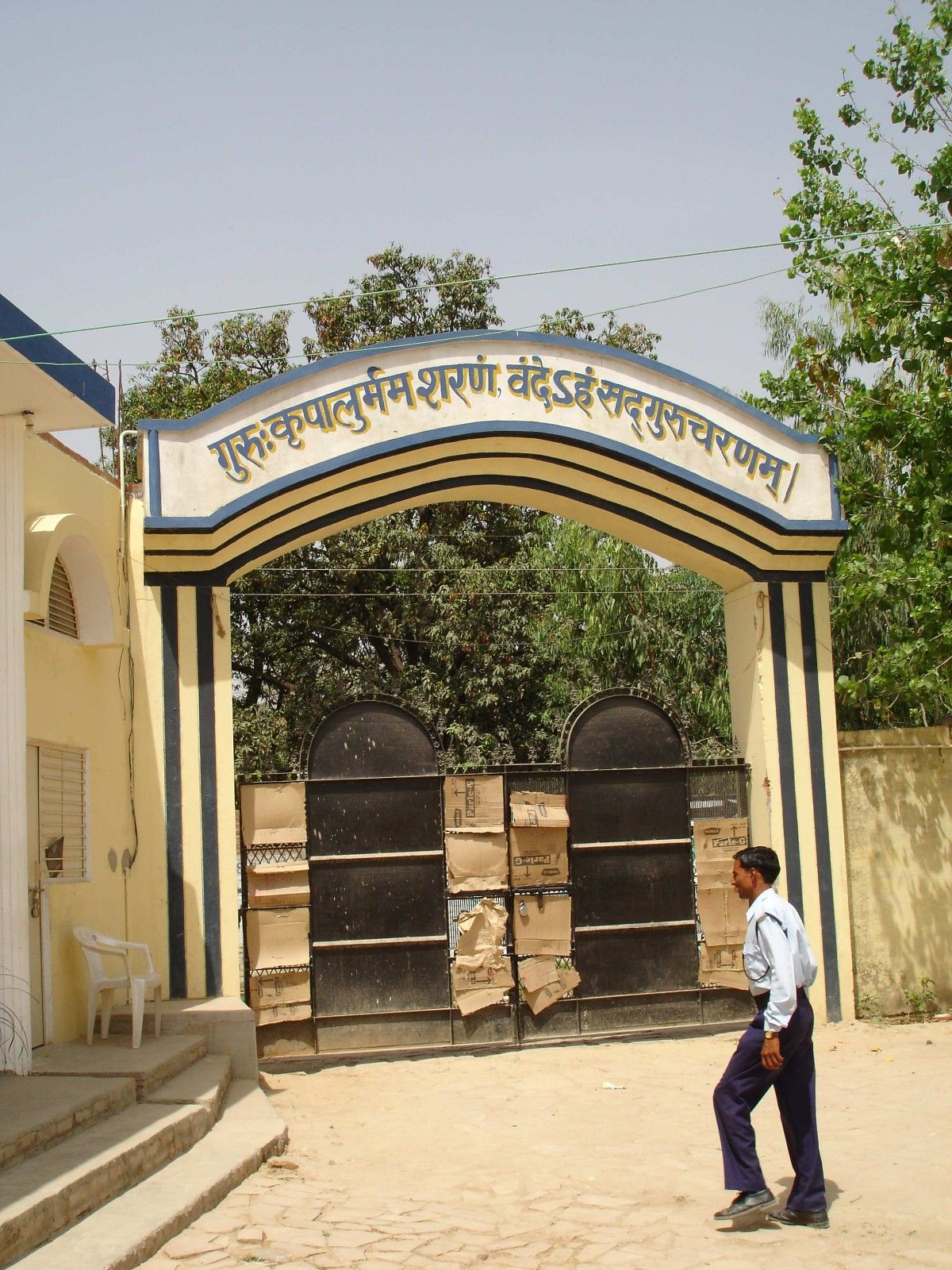
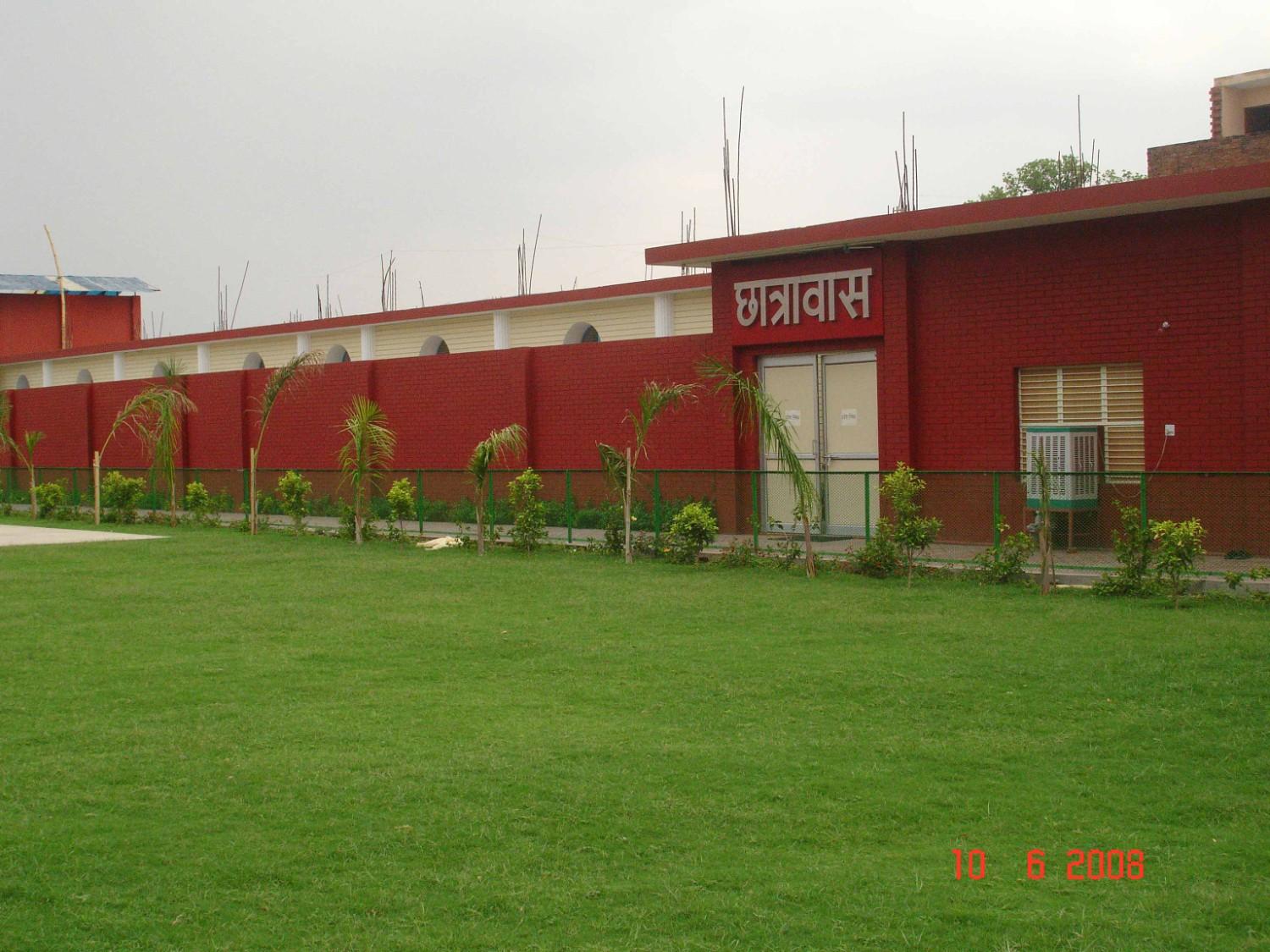
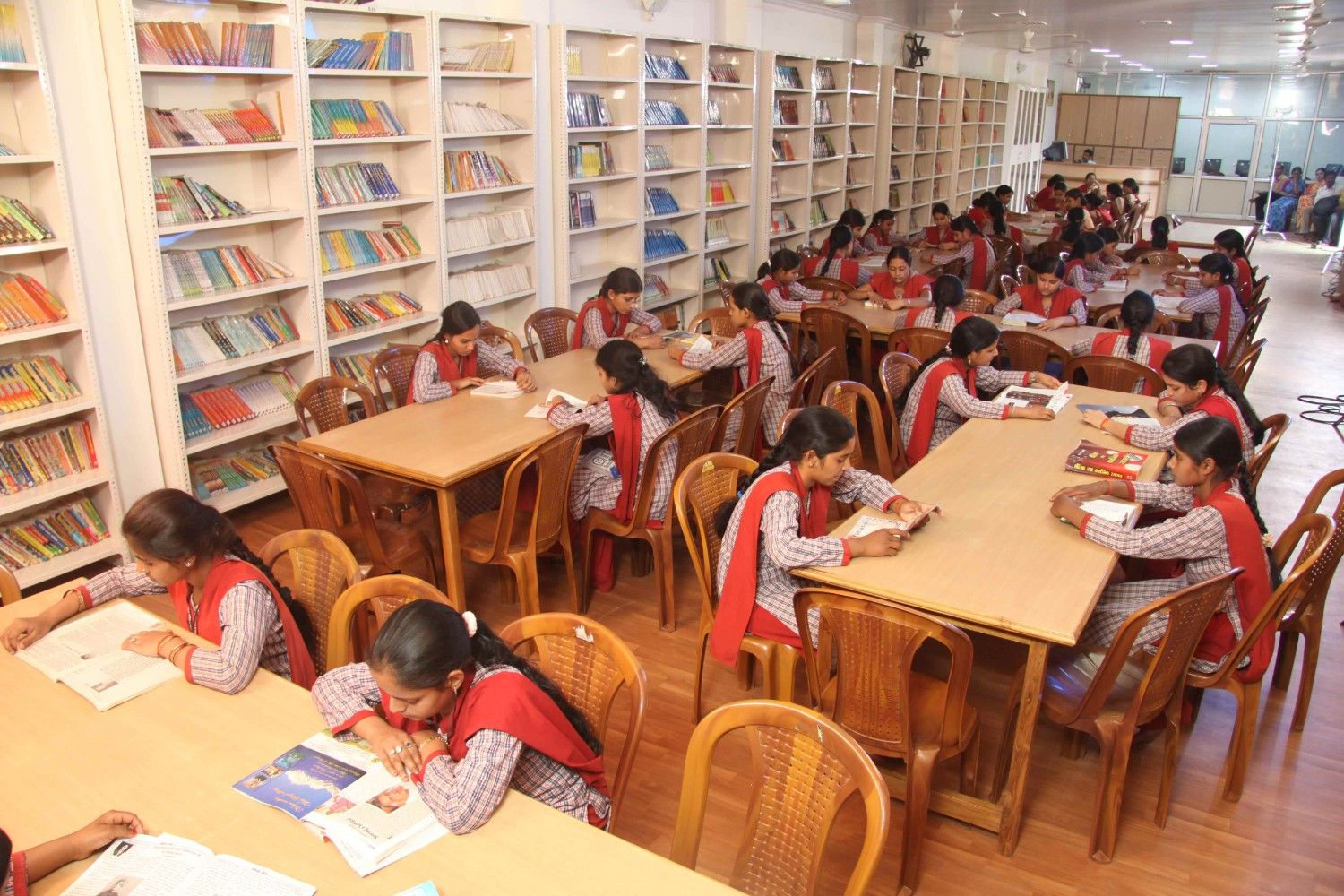
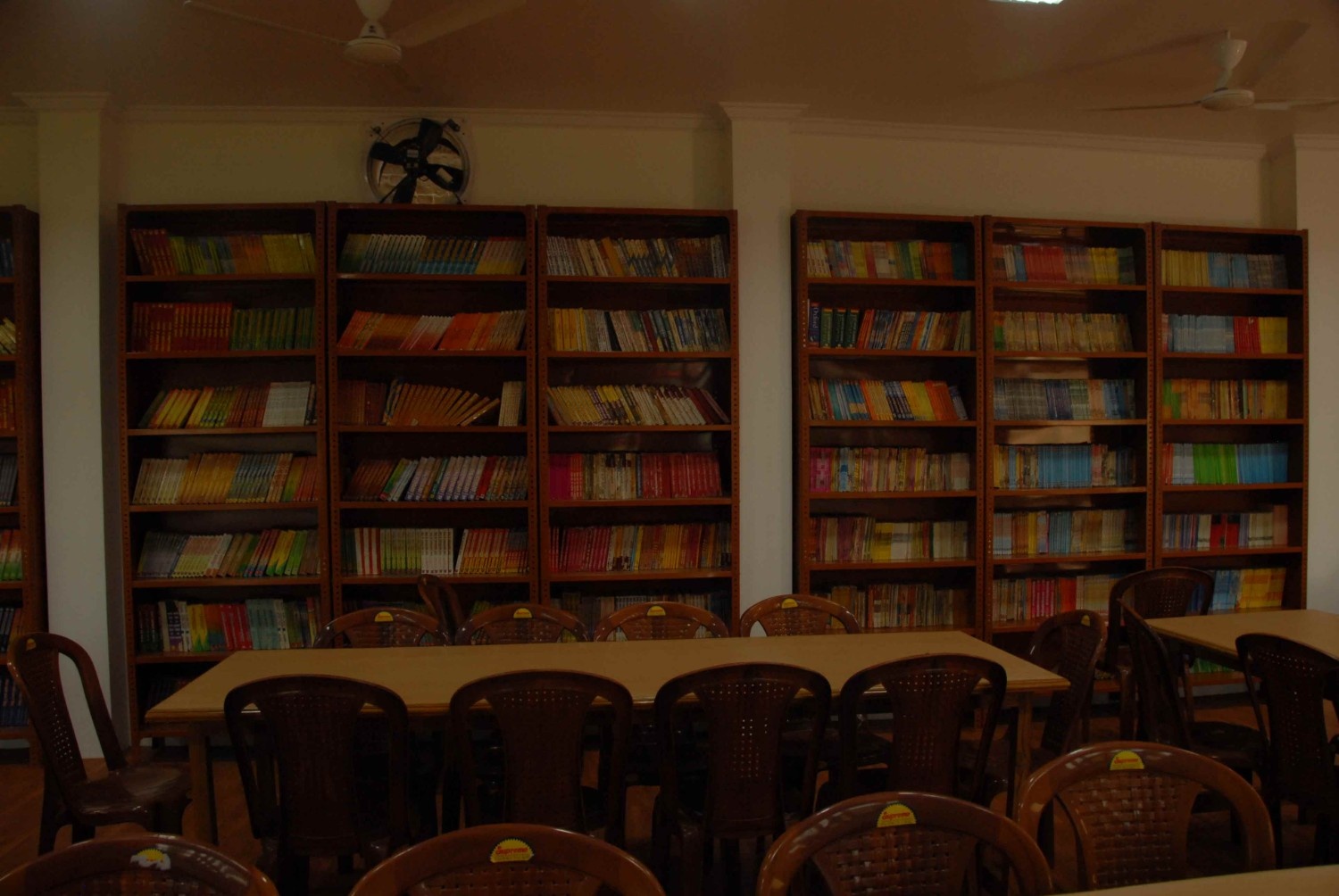
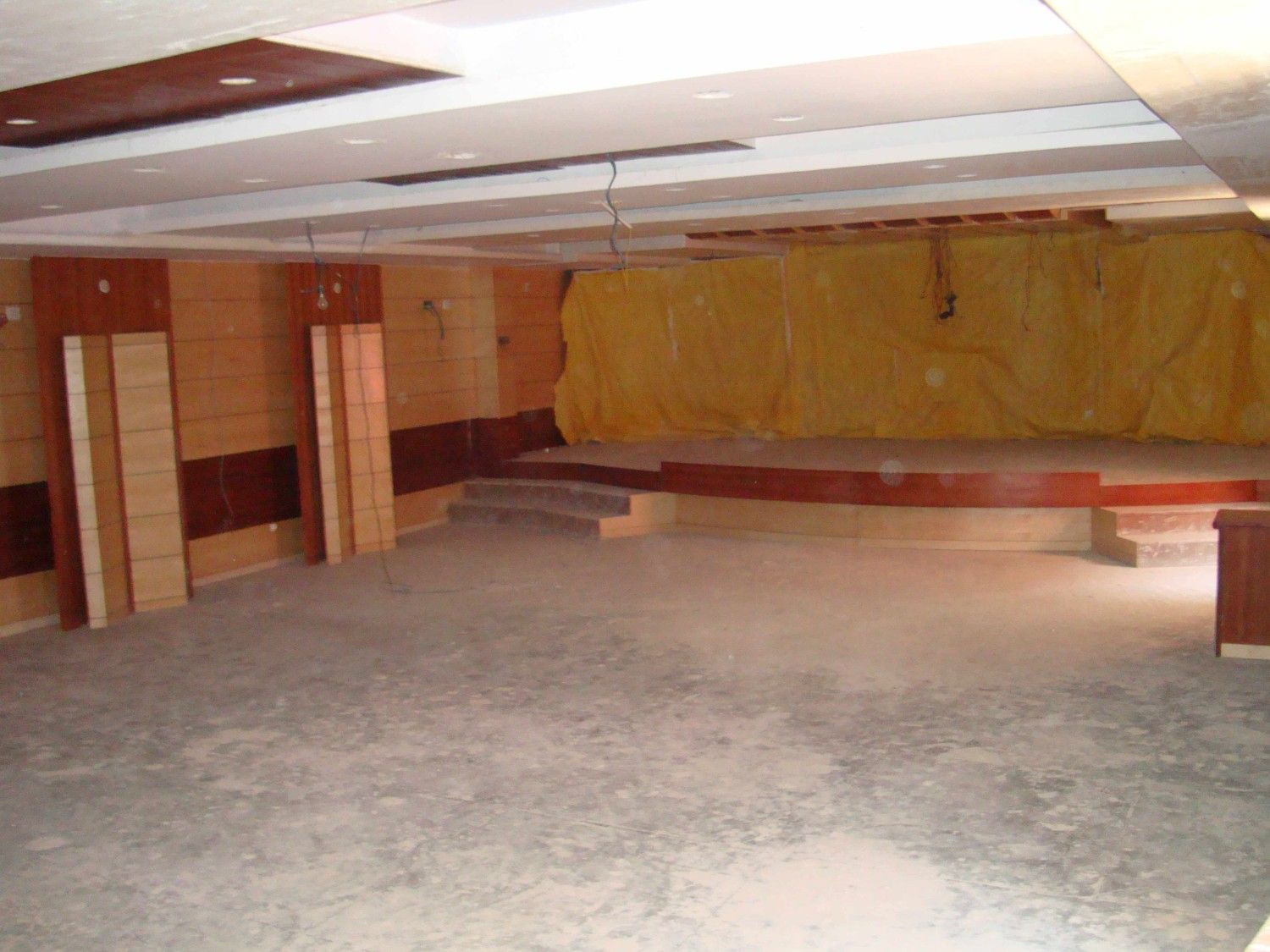
Though progress unfolded gradually at the onset, it marked a successful beginning for KMM. Establishing a degree-level college in such a rural and underserved region naturally presented challenges. Providing education to women in this locale has always been, and continues to be, a demanding task. The region’s underdeveloped infrastructure made access to even the most basic amenities for an educational institution exceptionally limited. Despite these constraints, essential infrastructure, including classrooms and hostel facilities, was established during this phase, laying a strong foundation for the Institution’s future growth. Despite the challenges, KMM successfully laid the groundwork by achieving the following milestones: • Affiliation for B.A. Course • Affiliation for B.Ed. Course • Construction of B.A. & B.Ed. building requirements • Furnished library and labs • Publication of the college’s annual magazine “Kripalu” • Outstanding university examination results for B.A. batches • Positive Community Reception • Implementation of modern teaching techniques